
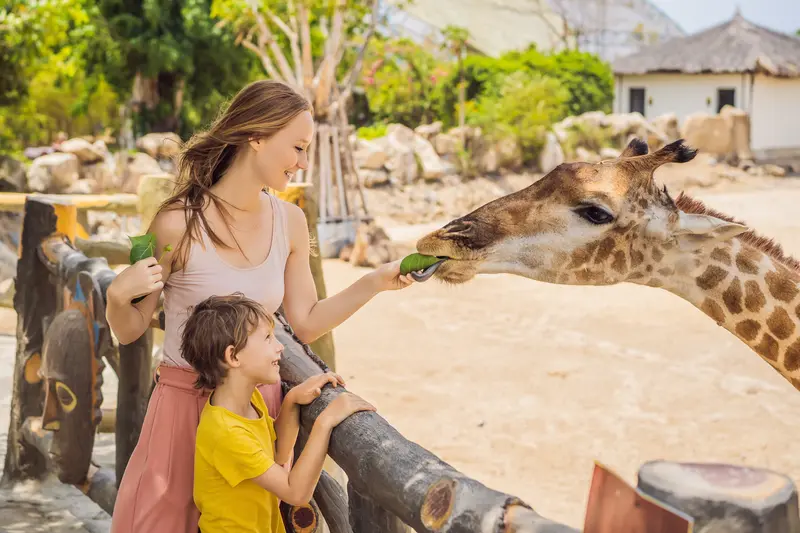
Safari parks offer a different rhythm from conventional zoos and amusement parks: guests may move through large animal habitats by vehicle or guided transport, sometimes combining that experience with walking trails, education or family rides. However, the phrase “safari park” covers very different institutions, from accredited wildlife collections to drive-through attractions and large natural reserves. A place can be exciting for visitors without automatically meeting high standards of animal care or conservation. The best safari-park choice therefore considers habitat quality, transparent welfare information, safety procedures and the visitor’s ability to observe animals without expecting close contact. Here is a practical comparison of established destinations around the world, along with guidance for families, photographers and travelers who want responsible wildlife experiences.
Quick planning summary: Best for a conservation-led zoological safari experience in southern California: San Diego Zoo Safari Park. Best for spacious Australian safari-style experiences: Monarto Safari Park. Best for a drive-through concept in the UK: Longleat or West Midlands Safari Park. Best for a themed zoo-and-ride hybrid: selected mixed leisure parks. Always research animal-care standards and the operator’s current programs.
On this page
- Which parks are worth considering?
- Planning your trip
- Understand what a safari park actually offers
- Choose a park by the experience, not animal photo opportunities
- Safety in drive-through zones
- A realistic itinerary and cost checklist
- Frequently asked questions
- Related Visit Theme Parks guides
Which parks are worth considering?
San Diego Zoo Safari Park, California, USA
San Diego Zoo Safari Park near Escondido is an important choice for people who want to observe wildlife in expansive habitats and learn about conservation programs. Its Africa-themed safari experiences and walking trails can fill much of a day without the pressure of a traditional ride checklist. It is a separate destination from San Diego Zoo in Balboa Park, and transport should be planned accordingly. Some safari programs or enhanced experiences may be ticketed separately from general admission; read the exact entitlement. Animal activity is not guaranteed at a particular time, so approach the visit as observation rather than a promise of close-up encounters.
Monarto Safari Park, South Australia
Monarto Safari Park is a worthwhile wildlife-focused excursion for visitors touring South Australia, with safari-style experiences centered on animals in substantial open spaces. Because its landscape and transport arrangements differ from a small urban zoo, the day should be planned around guided routes, weather and the availability of programs. Research exactly where to join any included transport service and whether specialized encounters cost extra. Parents with younger children may find the journey between viewing locations as important as the animals themselves. There is no guarantee every species will be visible on demand; time and patience are part of the experience.
Longleat Safari Park, England
Longleat is a well-known English drive-through safari destination with wildlife viewing and other estate attractions. Visitors should read the park’s current car-entry rules and guidance for animal areas before driving through, as animals and vehicles require strict separation and precautions. Some visitors may prefer an authorized transport option if offered, especially when they do not want to use their own car. The visit is more than a brief photo stop: allow enough time for the circuit and separate activities. It fits a southwestern England journey more naturally than a short central London city break.
West Midlands Safari Park, England
West Midlands Safari Park combines drive-through animal experiences with other leisure activities, making it attractive to families who want wildlife observation and entertainment on the same outing. This mixture does not mean everyone will prefer the rides: some guests will be happiest dedicating more time to animals. Check which experiences are included with the ticket, what vehicle rules apply and whether a shuttle or alternative transport is available. On busy days, queues can form on the safari route as well as at amusement attractions. Plan breaks before children become impatient in a car.
Knuthenborg Safaripark, Denmark
Knuthenborg on the Danish island of Lolland offers a European wildlife and safari-style alternative that can fit a Denmark road trip. Visitors interested in large animals, landscaped grounds and family learning may find it more suitable than a thrill-ride destination. Because the site is not part of Copenhagen’s city center, transport and the location of overnight accommodation matter. Research the current visitor route, seasonal opening and whether any portions of the experience are accessed on foot or through a vehicle. Some attractions and exhibitions may follow different schedules, so a flexible itinerary is preferable to a fixed animal checklist.
Chimelong Safari Park, Guangzhou, China
Chimelong Safari Park offers a large zoological and safari-style attraction in the Guangzhou area, making it a possible part of a southern China trip. Families should research the specific transport modes used for different habitats and how to move efficiently between walking areas and any guided routes. As with all wildlife facilities, evaluate transparent animal-care information and the quality of habitats rather than relying only on the number of species advertised. A busy park may require more rest and navigation time than expected. International visitors should confirm ticket procedures, language support and access through official visitor channels.
Safari World Bangkok and other Asian experiences
Safari World Bangkok is a mixed wildlife-and-entertainment venue whose appeal depends on the visitor’s interest in drive-through animal viewing and scheduled presentations. Travelers should research how animals are housed and trained and decide whether the program aligns with their personal welfare standards. The same scrutiny applies to smaller commercial wildlife venues across the region. Avoid making a purchase solely because promotional photographs show unusually close animal contact. A responsible visit is most rewarding when it prioritizes observation, education and the freedom to skip activities that do not feel appropriate.
Planning your trip
Safari park, zoo or national-park safari?
A safari park is typically a managed wildlife attraction with animals in designated grounds. A zoo may use traditional walk-through habitats or large naturalistic enclosures. A national-park safari in a protected landscape is a different travel experience, with wild animal sightings dependent on seasons, ecology and chance. Do not describe all three as interchangeable. If your aim is observing wild animals in their natural habitat, consider a properly managed national park with qualified local guides. If you want an accessible educational day with children, a reputable zoological safari park may be more convenient and more predictable in logistics.
How to assess animal welfare before buying
Look for evidence of professional animal-care oversight, habitat enrichment, appropriate social grouping, meaningful conservation work and clear educational information. Independent accreditation by recognized zoological associations can be one useful indicator, though membership alone should not end your research. Be cautious about venues centered on touching wild predators, forced photo poses or performances that require unnatural behavior. Check whether the operator publishes welfare and conservation practices in detail rather than only generic promises. You can enjoy wildlife without paying for direct contact or assuming proximity means a better experience.
Family safety in drive-through animal areas
A safari drive follows the facility’s safety instructions, which may prohibit opening windows, feeding animals or leaving the vehicle in certain sections. These procedures exist because animals are unpredictable and vehicle movement can put people at risk. Do not try to improve a photograph by ignoring barriers or guiding a child toward an animal. Before arrival, check whether your vehicle type is allowed and whether the operator offers a guided alternative. Carry water and plan for toilets before joining a lengthy circuit. For younger children, explain that animals may be resting, hiding or far away during much of the journey.
Photography without disrupting animals
Good wildlife photographs often come from patience, modest expectations and attention to light rather than from getting as close as possible. Use a lens suitable for the viewing distance and be prepared to stop photographing when an animal shows signs of stress. Follow the venue’s rules for flash and drones; some facilities restrict them completely. On guided transport, sit where you can see safely without leaning outside approved boundaries. Captions should distinguish animals in captivity from animals living freely in a protected reserve. These choices improve the experience and reduce the incentive to seek unsafe encounters.
Tickets and special encounters
Many safari parks have a standard admission and separate charges for premium drives, feeding experiences, behind-the-scenes programs or private guiding. Before purchasing an upgrade, ask what it includes and how the animal experience is conducted. An expensive short encounter is not necessarily more educational or ethical than an included guided talk. Compare whether children meet age restrictions, whether the program is weather-dependent and what happens if the activity is unavailable. If time is limited, a standard visit with an excellent keeper talk may represent better value than a rushed premium booking.
Planning by region and travel time
San Diego Zoo Safari Park is outside central San Diego, Monarto is a South Australian excursion, and UK safari parks are best worked into their own regional routes. Knuthenborg has different transport needs from an attraction beside a major city station. Estimate true travel time from accommodation, then check how long the safari circuit and walking sections take. If one member of the party tires easily, choose a venue where accessible transport and rest areas are clearly documented. A family day should leave time for lunch, toilets and unhurried wildlife observation, not just vehicle travel.
Questions to ask before booking a close animal encounter
What is the purpose of the encounter: education, animal-care training, conservation support or a photo opportunity? Are the animals able to withdraw, and are visitor numbers controlled? Is the activity based on voluntary animal behavior and qualified supervision? If these points are unclear, there is no obligation to buy an extra experience. Many excellent zoological parks provide keeper talks, interpretive signs and opportunities to observe animals quietly without direct contact. For children, watching a keeper explain an animal’s habitat may teach far more than a brief posed photograph. Ethical evaluation is specific to the venue and program, not its marketing description.
A one-day visit that works for photographers and families
Start with a scheduled safari vehicle route or other time-sensitive program, then allow unhurried time in walking habitats. Build a lunch stop into the middle of the visit, especially if the location is remote and food choices are limited. Early and late light can help photography, but animal visibility varies unpredictably; do not assume a specific viewing time guarantees action. Check whether rides and keeper presentations take place in different parts of the grounds, and how long transfers require. If children are getting restless, a shorter, attentive safari often creates better memories than pressing on to complete every enclosure.
Understand what a safari park actually offers
A managed safari park is not the same experience as observing free-ranging wildlife in a national park. At a drive-through attraction, animals live in a managed setting and visitors may view them from their own vehicle or an approved safari bus. At a walking safari park or zoo-like complex, some habitats may be reached on foot while larger animal areas require separate transport. And an African wildlife safari involves natural ecosystems, professional guides and very different practical and ethical decisions. These categories should not be blended into a single promise of ‘wild animals up close.’
The San Diego Zoo Safari Park, for example, combines extensive habitats with different tour products; visitors should distinguish standard admission from any extra safari experiences. Longleat and West Midlands Safari Park in England include drive-through elements, but vehicle instructions and animal-zone procedures must be checked before traveling. Monarto Safari Park in South Australia is another large-scale destination where transport and available tour formats matter. Some safari parks also have walking areas, conservation programs or family activities; whether they are included depends on the precise operator.
Choose a park by the experience, not animal photo opportunities
| Visitor interest | What to look for | Question to ask before booking |
|---|---|---|
| Observing animals across expansive habitat areas | Large managed reserves and guided viewing routes | How is the route operated, and what is included in admission? |
| A family day with varied wildlife activities | Park with safe walking areas and education sessions | What suits a child’s age, stamina and attention span? |
| Learning about conservation | Programs that explain breeding, habitat protection and welfare | Does the operator document its work and relevant accreditation? |
| Photography | Appropriate viewing points with patient observation | Are photography rules and vehicle stops clearly defined? |
| Limited mobility | Accessible buses, viewing stations and pathways | Are transfers and guided vehicles accessible for the entire group? |
Do not use photographs of animals being held, ridden or forced to pose as evidence of a worthwhile conservation attraction. The World Association of Zoos and Aquariums publishes animal–visitor interaction guidance emphasizing animal welfare, suitability, staff expertise, education and safety. These criteria make more sense than trying to measure quality by the number of animal encounters a visitor can purchase. A responsible facility should be able to explain which interactions are offered, why, under whose supervision and how the animals can withdraw or rest.
Safety in drive-through zones
Follow every rule provided at the entrance: operators may require windows to remain closed, prohibit feeding or demand a minimum distance from animals. Do not open car doors, lean out to photograph wildlife or stop outside approved areas. Check whether rental-car restrictions apply to safari circuits or whether a park-operated vehicle is the safer choice. In some facilities, particular animal zones may be excluded from an ordinary private-vehicle route. If using a safari bus, check duration, seating and whether the ride suits very young children.
Families with children should agree on simple behavior rules beforehand. A slow animal encounter may be quieter than an amusement ride, but it still requires patience. Do not promise a particular species will be standing by a viewing window: weather, time of day and the animal’s own needs affect sightings. A disappointed child can often enjoy a keeper talk or educational trail instead of pressuring staff or wildlife to provide an encounter.
A realistic itinerary and cost checklist
For a park that combines a vehicle route and walking exhibits, start with the part that has restricted boarding times or longer travel duration. Leave time for lunch, toilet breaks and rest; a two-hour safari circuit cannot be squeezed into a short late-afternoon slot. Budget separately for admission, guided tours, parking, on-site food and any premium experiences. Before booking, review the latest operator notices, accessibility information and any relevant national or regional zoological-accreditation standards. A strong wildlife day is measured by respectful observation and learning, not by how close a visitor can get to a predator.
Frequently asked questions
Are animals guaranteed to appear on a safari drive?
No. Animals move, rest and use sheltered areas according to their needs; observation is not a scheduled performance.
Is a safari park the same as an African wildlife safari?
No. Managed safari parks and free-ranging wildlife experiences in natural reserves have fundamentally different settings.
Should I pay to feed or touch wild animals?
Research animal welfare carefully and avoid activities built around unsafe or inappropriate contact.
Related Visit Theme Parks guides
For individual attraction itineraries, tickets and on-the-ground priorities, continue with San Diego Zoo Safari Park Guide, Monarto Safari Park Guide and Chimelong Safari Park Guide.
For additional practical details, see Dubai Safari Park Guide.
For the most up-to-date admission rules, opening dates and operational notices, consult World Association of Zoos and Aquariums welfare guidance before purchasing. Prices, restrictions and seasonal programs may change.