
Independent theme park travel guidesDiscover more. Plan better. Enjoy every moment.
VisitThemeParks

Author: admin

  • SeaWorld Orlando vs Busch Gardens Tampa: Which Park Is Better?

    SeaWorld Orlando vs Busch Gardens Tampa: Which Park Is Better?

    SeaWorld Orlando and Busch Gardens Tampa Bay are often discussed together by Florida visitors because both mix roller coasters with animal-related experiences. Yet they make different day trips. SeaWorld is in Orlando's main tourism area and features marine-themed environments and a substantial coaster collection. Busch Gardens is in Tampa, farther west, with rides such as Iron Gwazi and Cheetah Hunt alongside animal habitats and the Serengeti Plain. Choosing between them requires balancing your interest in rides, marine life, wildlife welfare and transportation.

    Choosing between SeaWorld Orlando and Busch Gardens Tampa Bay is easier when you start with the kind of day you want, rather than the number of attractions on a park map. The two places appeal to different interests, and the better choice may change with children’s ages, the length of the trip, and how much energy your group has left after travelling.

    The question is especially relevant to travelers who already have a busy Orlando itinerary. Disney and Universal days are demanding, and adding another park may be less enjoyable without a rest day. SeaWorld is easier to slot into an Orlando stay; Busch Gardens asks for a separate trip across central Florida or a stay in Tampa. Both attractions change their operating hours and entertainment, and animal exhibits can change too. The strongest plan is based on a short list of attractions that justify the admission rather than an attempt to do every ride and animal encounter in one day.

    At a glance: the main differences

    FactorSeaWorld OrlandoBusch Gardens Tampa Bay
    Best forOrlando location, marine-focused exhibits and coastersBig coaster portfolio, safari animals and open landscapes
    Visit styleMarine-life and thrill park in OrlandoCoaster and African wildlife park in Tampa
    Plan forOne full dayOne full day
    Extra to checkShow calendars and animal presentation detailsTampa travel time and animal-tour options

    For a visitor sleeping near International Drive, SeaWorld Orlando usually wins on simplicity of transport. Its lineup offers an unusual mixture of high-energy coasters, family attractions and marine-life observation. Busch Gardens rewards visitors whose top priority is an extensive coaster day or a different animal park atmosphere, but it requires factoring in the drive from Orlando. The theme of each place also shapes expectations: SeaWorld's marine exhibits encourage questions about captive marine animals, while Busch Gardens has terrestrial wildlife habitats and safari-style viewing. Visitors should examine each operator's conservation materials and welfare practices and make a choice consistent with their own values.

    What SeaWorld Orlando does especially well

    SeaWorld Orlando has coasters including Mako, Manta, Kraken, Pipeline and Penguin Trek, representing several different ride styles. Some are intense, and the fact that a park is associated with sea animals does not make its coasters suitable for small children. The park also has marine-focused habitats and educational presentations. Visitors should research the nature of animal programs rather than assume every presentation is a passive observation experience. For a family with mixed interests, the combination of coasters, more modest attractions and seated breaks can make it an effective Orlando day. The biggest practical advantage is proximity to other tourist districts, which may allow a shorter return to the hotel when children tire.

    What makes Busch Gardens Tampa Bay different

    Busch Gardens Tampa Bay is a major destination for coaster enthusiasts. Iron Gwazi, Cheetah Hunt, SheiKra, Montu and other rides create a compelling collection of intense experiences. The park's animal areas set it apart from a straightforward coaster-only amusement park. The Serengeti Express provides a different way to observe savanna animals such as giraffes, zebras and antelope, though viewing depends on current operations and animal behavior. Additional premium safari experiences may be offered and should be priced separately. Families should anticipate a full day with substantial walking, and Orlando-based visitors need to account for a long car journey before and after the fun.

    Which attractions and experiences should you prioritize?

    If your central goal is a lineup of serious roller coasters, Busch Gardens can be exceptionally appealing. Iron Gwazi is a highlight for riders who love powerful forces and a distinctive track layout; Montu and SheiKra add other forms of intensity. SeaWorld's Mako, Manta, Pipeline and Kraken also give enthusiasts plenty to do without a drive to Tampa. Younger children may have access to gentler attractions at each park, but a family should inspect the exact height requirements before deciding. It is possible to buy expensive tickets and find that only one major ride fits a child's height or comfort. Compare the family ride lists and animals areas, not just the dramatic coaster photographs.

    Families, teenagers and visitors who do not ride

    Families with preschoolers often benefit from SeaWorld's convenient Orlando location and the option to leave sooner if needed. Busch Gardens can be more attractive for older children who enjoy seeing large land animals and are ready for a longer day. Teenagers who put major coasters first should examine both parks' lineups and check maintenance notices; one signature ride being closed can change the balance. Grandparents or visitors who do not enjoy coasters can still take part through habitats, scenic routes and presentations, but need a clear meeting plan while others ride. Never force a nervous child onto an attraction simply because the posted height requirement permits it; willingness matters as much as eligibility.

    A realistic one-day plan

    At SeaWorld, begin with one or two must-ride coasters or a scheduled presentation, depending on priorities. Keep nearby exhibits together and use showtimes to create natural rest breaks. Check whether a specific animal presentation fits your own wildlife-welfare preferences. At Busch Gardens, arrive close to opening, make one leading coaster an early target and avoid crossing the park for isolated rides. Include the Serengeti Express or another wildlife experience as a slower counterpoint to high-intensity queues. If visiting from Orlando, calculate the time required to drive back and avoid exhausting the group with a very late departure. The best itinerary leaves space for food, weather changes and an attraction that unexpectedly becomes a favorite.

    When visiting both makes sense

    Visitors with a full week devoted to Florida theme parks can visit both on separate days, especially when roller coasters are a key interest. An Orlando-based traveler could schedule SeaWorld between Disney and Universal days and Busch Gardens as a dedicated Tampa excursion. A Tampa stay or a broader Gulf Coast itinerary makes Busch Gardens far more convenient. Trying both in one day rarely makes sense given the road journey, separate entry systems and queues. Another useful choice is to select one park for this vacation and save the other for a return visit. Spending less time driving often gives families more energy for the attractions they actually came to see.

    Tickets, reservations and spending wisely

    Both operators offer date-dependent tickets and optional priority queue products, but the details can differ by park and package. SeaWorld calls its line-skipping product Quick Queue; Busch Gardens offers separate Quick Queue options that may exclude some attractions from unlimited priority access. The operator sites emphasize that park admission is not included in certain queue upgrades. Compare single-day tickets, multi-park bundles and any seasonal restrictions before paying. Add the cost of Orlando-to-Tampa transportation, parking, meals and animal encounter extras. The lowest headline ticket price may not be the best value if it forces a stressful long journey or includes upgrades for rides your group does not plan to take.

    Getting there and staying nearby

    SeaWorld Orlando is near International Drive, making it accessible to many Orlando hotels by car or rideshare and sometimes local transit. Busch Gardens Tampa Bay lies substantially farther west; driving from Orlando involves a meaningful trip along busy highways, and traffic can change the journey time. If you don't have a rental car, research current shuttle or transport products rather than assuming a service from an old blog still operates. Visitors booking one hotel for the full trip may find that SeaWorld is more efficient, while travelers spending time in Tampa can reverse the calculation. Parking, peak exit traffic and the driver’s fatigue should be part of the travel plan.

    Crowds, weather and the best season

    Central Florida's heat and humidity can make outdoor coaster queues uncomfortable in summer, and afternoon thunderstorms may temporarily stop rides at either park. Plan a shaded or indoor option when the weather turns and remember that ride operation is determined by safety conditions, not ticket price. Cooler months often offer pleasant temperatures for walking but also bring special events and variable operating calendars. School holidays and major weekends can produce high demand. Check maintenance schedules for signature coasters, and do not assume animal presentations happen at the same times all year. A half-day lost to lightning or a canceled show can make a tightly packed trip especially frustrating.

    Accessibility, comfort and other practical details

    Inspect ride-specific health warnings and restraint limits before travel. Major coasters can involve strong acceleration, inversions or extended periods of standing in queues, and qualifying by height alone is not a complete safety assessment. Travelers with mobility needs should verify accessible routes, transfers and assistance programs directly with each operator. People with sensory sensitivities may want to avoid particular loud or dark attractions and locate quieter rest areas. Animal habitats require respectful behavior: do not feed animals, tap barriers or expect interactions beyond those specifically permitted. If the park's approach to animal shows raises concerns, evaluate that factor as part of choosing whether to visit at all.

    Final recommendation: how to decide

    SeaWorld Orlando is the sensible choice for visitors who want a strong coaster lineup, marine-focused exhibits and a convenient location within an Orlando vacation. Busch Gardens Tampa is an excellent choice for coaster enthusiasts interested in Iron Gwazi and a different wildlife setting, especially when already visiting Tampa or willing to dedicate an excursion day. A family that does not like intense rides should compare the habitat and gentler-attraction offerings carefully rather than buying based on coaster reputation. With only one extra Florida park day, convenience and the group's personal interests should decide. With more time, the two parks offer contrasting experiences that merit separate visits.

    Before you book: a useful checklist

    • Check major coaster refurbishment notices on the actual date.
    • Compare transfer time to Tampa with the cost of staying in Orlando.
    • Separate Quick Queue upgrades from park admission.
    • Review the animal programs and conservation information.
    • Include afternoon thunderstorm contingencies in the itinerary.

    Frequently asked questions

    Is Busch Gardens Tampa in Orlando?

    No. Busch Gardens is in Tampa, and visiting from Orlando requires a separate journey.

    Which is more convenient from International Drive?

    SeaWorld Orlando is generally much closer to the International Drive hotel area.

    Do both parks have roller coasters and animals?

    Yes, but their ride collections and animal-focused experiences differ.

    SeaWorld Orlando official attractions (official operator information; check dates, admissions and ride availability before travel).

    Busch Gardens Serengeti Express (official operator information; check dates, admissions and ride availability before travel).

    Busch Gardens queue upgrades (official operator information; check dates, admissions and ride availability before travel).

    Continue planning with our in-depth guides: SeaWorld Orlando Guide: Mako, Penguin Trek, Expedition Odyssey and One-Day Plan, Busch Gardens Tampa Bay Guide: Iron Gwazi, Cheetah Hunt, Animals and One-Day Plan, Chessington World of Adventures Guide: PAW Patrol, Jumanji, Zoo and One-Day Plan.

  • Hong Kong Disneyland vs Ocean Park: Which Is Better for Your Trip?

    Hong Kong Disneyland vs Ocean Park: Which Is Better for Your Trip?

    Hong Kong has two famous parks that offer radically different ways to spend a day. Hong Kong Disneyland is built around Disney stories, detailed themed lands and character encounters, including World of Frozen. Ocean Park combines animal exhibits, marine environments, transport by cable car and roller coasters overlooking the South China Sea. Neither is simply a substitute for the other. The right decision depends on whether your group wants immersive fantasy, wildlife education, scenic views or intense rides.

    Choosing between Hong Kong Disneyland and Ocean Park Hong Kong is easier when you start with the kind of day you want, rather than the number of attractions on a park map. The two places appeal to different interests, and the better choice may change with children’s ages, the length of the trip, and how much energy your group has left after travelling.

    Both attractions can work as separate day trips from central Hong Kong, and both are reached without needing a rental car. That convenience can make it tempting to choose on ticket price alone, but what happens inside is far more important. Families with young children may be attracted by Disney characters, while teenagers and adults may be interested in Ocean Park's dramatic setting and mixed attractions. Some animal experiences may not suit visitors concerned about welfare; understanding the exhibits and conservation programs is part of making a responsible choice.

    At a glance: the main differences

    FactorHong Kong DisneylandOcean Park Hong Kong
    Best forDisney stories, Fantasyland and World of FrozenAnimals, marine life, cable cars and thrill rides
    Visit styleThemed Disney resort on Lantau IslandWildlife and rides across a hillside site
    Plan forOne full dayOne full day
    Extra to checkCharacter and entertainment schedulesAnimal exhibit, cable car and ride availability

    Disneyland's strengths are controlled storytelling, familiar Disney characters and the continuous feeling of entering a fantasy world. Ocean Park is more varied in a different sense: visitors can look at marine habitats, take a scenic cable car, explore animal exhibits and consider adrenaline rides in one outing. The latter site's topography changes the pace because it spans hillside zones connected by internal transport. Families should compare how much walking, queuing and transit time each member can handle. A big coaster is not equivalent to a character meeting, and an aquarium is not an alternative to a Frozen attraction; settle the priorities before booking.

    Ocean Park Hong Kong Cable Cars Above The Coast

    What Hong Kong Disneyland does especially well

    World of Frozen is one of Hong Kong Disneyland's defining areas, with the setting of Arendelle bringing a major Disney story into the park. Mystic Manor is another noteworthy attraction, admired for its unusual approach to an indoor adventure. The resort also offers castle views, parades, shows and family-friendly rides across themed lands. A Disney fan who has visited other castle parks may still enjoy the local versions and unique atmosphere, but should check which rides are operating rather than assuming every familiar name appears in Hong Kong. Visitors who value nighttime entertainment should plan their return journey around the current show schedule and the possibility of weather-related changes.

    What makes Ocean Park Hong Kong different

    Ocean Park is spread between the Waterfront and the Summit, connected by cable car and other in-park transport. The cable car journey itself is a highlight for many visitors, offering views over water and hills; it can, however, be affected by weather or maintenance. The park is known for animal exhibits and its Grand Aquarium, alongside thrill attractions such as Hair Raiser. Animal species and individual encounters can change, so confirm current exhibits rather than relying on photos from past years. Guests concerned about animal welfare should use operator information to assess the park's education, habitat and conservation activities and avoid assuming that every animal presentation is equally appealing to every visitor.

    Which attractions and experiences should you prioritize?

    For a family whose wish list is dominated by Frozen, Disney heroes, children’s gentle rides and themed dining, Disneyland is the natural match. Mystic Manor also gives older children and adults a distinctive experience without relying solely on major coaster intensity. Ocean Park is more suitable when the group wants to combine marine animals, broader wildlife observation, a scenic ride and some high-thrill attractions. Be cautious with the idea that Ocean Park is automatically better for toddlers because it has animals: steep pathways, crowding, weather and variable exhibit distances can make the day demanding. Likewise, Disney rides may be loud, dark or restrictive despite a family-friendly visual style.

    Families, teenagers and visitors who do not ride

    With preschoolers, keep the day limited to a few high-value experiences. Disneyland can be excellent for children who love stories and are comfortable with costumed characters, but queues for meetings and shows consume time. Ocean Park may suit curious children who enjoy observing wildlife without needing every attraction to move rapidly, although a stroller plan and internal transport are essential. Teenagers choosing between a thrill ride and a character show may reach a different verdict from their parents. Have everyone select one personal priority, then identify calmer shared activities. If your group includes someone sensitive to crowds or heights, inspect the conditions of Ocean Park's cable car and thrill rides before declaring it a must-do.

    A realistic one-day plan

    At Disneyland, make an early decision about World of Frozen and one or two other must-do attractions; do not race through the park only to spend the late afternoon regretting missed shows. Eat at an off-peak time and save a scenic land for the hottest or most crowded hour. At Ocean Park, start by checking the operating status of the cable car, Ocean Express and your desired animal exhibits. Decide whether to visit the Summit or Waterfront first based on the day’s conditions and popular attractions. Avoid repeated cross-park journeys, which can consume the best parts of the day. Reserve an hour for unhurried observation at the aquarium or another exhibit rather than counting only rides completed.

    When visiting both makes sense

    Visitors spending four or more days in Hong Kong can plan one park on each of two nonconsecutive days, leaving time for Victoria Harbour, markets, hiking or neighborhoods in between. Ocean Park combines naturally with other attractions on Hong Kong Island, while Disneyland may work well on a day based around Lantau. It is not useful to cross from one park to the other midafternoon unless you have an unusual ticket arrangement and do not care about seeing much. Consider an overnight Disney resort hotel if character-themed accommodation is part of the goal, but do not change hotels needlessly simply to reduce one train journey. A compact Hong Kong itinerary benefits from balancing theme parks with the city's outdoor and cultural experiences.

    Tickets, reservations and spending wisely

    Both parks sell date-specific products and may have different conditions for residents, children, special events and optional packages. Compare the actual ticket type and any reservation requirement; do not infer the full price from an advertised 'from' figure. Add transport, food, photos, souvenirs and any premium admission options. At Ocean Park, pay attention to which animal experiences are included in ordinary entry and which activities require reservations or additional payments. At Disneyland, decide whether character dining or extra access is truly worth the added expense. For a family, the smartest saving may be choosing one park well rather than paying for two visits that exceed everyone's energy.

    Getting there and staying nearby

    Hong Kong Disneyland is reached by MTR via the Disneyland Resort Line from Sunny Bay; the railway connection is an attraction in itself for many children. Ocean Park has an MTR station on the South Island Line, which makes it easy to reach from the central urban districts. Neither route eliminates the need to walk to gates and through security. Compare journey times from your actual hotel, not from an arbitrary central landmark. End-of-day crowds may make trains busy. Families returning after evening entertainment should check the final transport schedule and arrange a meeting point in case they become separated while leaving the park.

    Find your place to stay

    Compare hotels and other accommodation on Booking.com. Check the location, travel time and cancellation conditions before you book.

    Find hotels on Booking.com

    Crowds, weather and the best season

    Hong Kong's summers can be very hot, humid and wet, with thunderstorms or typhoon conditions affecting outdoor operations. On such days, shaded or indoor attractions become important, and Ocean Park's elevated cable car may be suspended when conditions require it. Winter is usually more comfortable for walking, although crowds can rise during holidays. Seasonal Disney entertainment and temporary ride closures change the value of different dates. Before travelling, check the Hong Kong Observatory forecast as well as each operator's current ride notices. A rain forecast should prompt an alternative plan, not an assumption that all outdoor rides will operate as normal.

    Accessibility, comfort and other practical details

    Ocean Park's terrain requires particular attention from visitors with limited mobility or families pushing strollers. Investigate accessible routes and internal transport, and ask directly about cable car or ride access if needed. At Disneyland, check ride-specific transfer requirements, seating and options for those with sensory needs. Both parks may have loud environments and long outdoor queues. Children should carry identification or a meeting card appropriate to their age, and parents should confirm where the nearest accessible facilities are after entering. With animal exhibits, observe responsibly, do not tap glass or attempt to attract animals' attention, and follow staff instructions about photography and feeding.

    Final recommendation: how to decide

    Choose Hong Kong Disneyland for Disney character magic, World of Frozen and polished story-led attractions. Choose Ocean Park for a broad outing involving marine life, wildlife, sea views and selected coasters. A family with small children might lean Disney for the familiar stories; adults curious about Hong Kong's geography and animal attractions might find Ocean Park more distinctive. There is no requirement to pick the same attraction that every other traveler recommends. Match the park to the person who has the strongest reason to visit, confirm conditions for the date and enjoy one full day rather than rushing through two incompatible experiences.

    Before you book: a useful checklist

    • Decide whether Frozen and Disney characters are core priorities.
    • Check Ocean Park cable car and exhibit availability.
    • Compare routes from your actual Hong Kong accommodation.
    • Check weather, especially storms and typhoon alerts.
    • Review animal welfare, accessibility and ride restrictions.

    Frequently asked questions

    Is Ocean Park part of Disneyland?

    No. Ocean Park and Hong Kong Disneyland are separate parks with different operators and tickets.

    Can I get to both by MTR?

    Yes, both have rail connections, although they are on different parts of the network.

    Which park is best for Frozen fans?

    Hong Kong Disneyland has World of Frozen.

    Ocean Park cable car and park information (official operator information; check dates, admissions and ride availability before travel).

    Ocean Park official site (official operator information; check dates, admissions and ride availability before travel).

    Continue planning with our in-depth guides: Hong Kong Disneyland Guide: World of Frozen, Mystic Manor and One-Day Plan, Ocean Park Hong Kong Guide: Pandas, Grand Aquarium, Hair Raiser and One-Day Plan, Tokyo Disneyland Guide: Beauty and the Beast, Baymax and One-Day Plan.

  • Universal Studios Japan vs Tokyo Disney Resort: Which Japan Theme Park Trip?

    Universal Studios Japan vs Tokyo Disney Resort: Which Japan Theme Park Trip?

    Japan's biggest international theme-park names are located in different cities. Universal Studios Japan, in Osaka, is built around blockbuster film worlds, Super Nintendo World and bold, high-demand rides. Tokyo Disney Resort, outside central Tokyo, consists of Tokyo Disneyland and Tokyo DisneySea, each with its own identity. Both are outstanding reasons to extend a Japan vacation, but comparing them requires more than a ride ranking. Geography, admission rules and the ages of your traveling companions will often settle the question.

    A trip that includes Universal Studios Japan or Tokyo Disney Resort may be the highlight of a holiday, but picking the wrong one for your group can result in expensive compromises. These places have distinct strengths. Rather than declaring a winner, this guide shows how to match each park with your interests, time available and travel logistics.

    Visitors sometimes attempt to treat Osaka's Universal park and Tokyo Disney as interchangeable day trips. They are not. The two regions are connected by fast rail, but moving between them with luggage and hotel check-ins consumes a meaningful part of a travel day. Another common mistake is assuming that a Universal Express Pass includes admission; the operator states that separate park entry is required. Tokyo Disney's own ticket and priority services have different terms. Work backwards from the experiences that matter most and use the park's official app information, not an outdated social-media itinerary.

    At a glance: the main differences

    FactorUniversal Studios JapanTokyo Disney Resort
    Best forNintendo, Harry Potter and movie-led thrillsDisney storytelling across two parks
    Visit styleOne major park in OsakaTwo-park destination in Maihama
    Plan forOne full day, more for enthusiastsOne or two full days
    Extra to checkSuper Nintendo World area entry may be controlledBuy the right park/date ticket and access products

    Universal Studios Japan is the easier single-park proposition for visitors based in Osaka, Kyoto or Kobe who are excited by Mario, Donkey Kong, Harry Potter, Minions and movie action. Tokyo Disney Resort is a more natural fit from Tokyo and offers two entire parks to choose from, allowing a classic character vacation or the distinctive immersive environments of DisneySea. An adult who does not care about branded characters may still enjoy the craftsmanship in either destination. The crucial difference is the vacation structure: one intense Osaka park day versus a Tokyo resort trip that can easily justify two days.

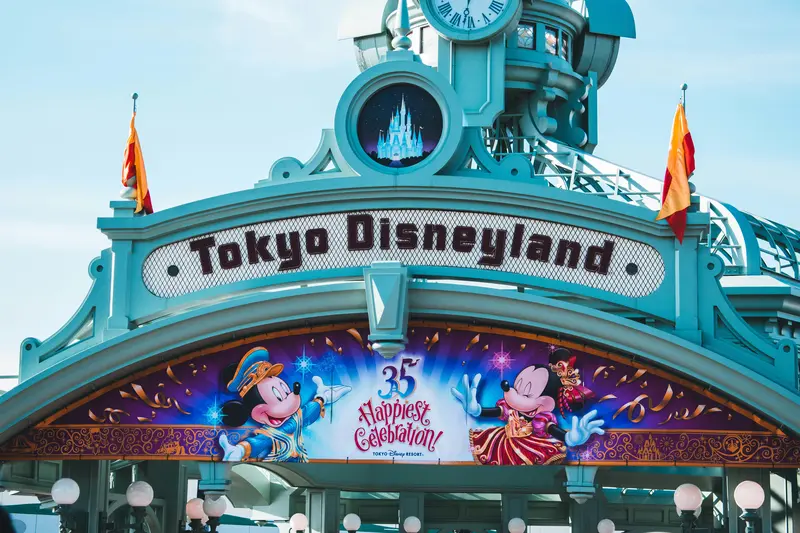
    Tokyo Disneyland Entrance Sign And Decoration

    What Universal Studios Japan does especially well

    Super Nintendo World is the main draw for many Universal Studios Japan visitors. Mario Kart: Koopa's Challenge, Yoshi's Adventure, Donkey Kong Country and interactive Power-Up Band activities create an especially playful area. The Wizarding World of Harry Potter provides its own immersive setting, while Hollywood, Jurassic Park and other zones broaden the day. Not every attraction suits every age or motion tolerance, and some experiences are surprisingly intense. Universal also hosts seasonal entertainment that changes during the year. A successful visit requires making peace with the fact that doing everything is unrealistic on popular days: choose whether Nintendo, Harry Potter or major thrill rides take priority and make the rest optional.

    What makes Tokyo Disney Resort different

    Tokyo Disney Resort offers a very different rhythm. Tokyo Disneyland places a castle and familiar Disney attractions at the center of the vacation, including Enchanted Tale of Beauty and the Beast. Tokyo DisneySea uses themed ports, waterfront scenery and experiences such as Journey to the Center of the Earth, alongside Fantasy Springs. Families can split their interests across two full days, but that also raises the hotel and ticket commitment. The resort's food, shows, seasonal decorations and relaxed scenic corners are part of the appeal. Guests who are not chasing high-intensity coasters may find a richer variety of things to do beyond the queues, especially when allocating more than one day.

    Which attractions and experiences should you prioritize?

    A Nintendo fan should usually prioritize Universal, because its interactive Super Nintendo World experience is not reproduced at Tokyo Disney. A child who dreams of Disney's Frozen or Beauty and the Beast worlds has the opposite reason to choose Tokyo. Thrill enthusiasts should compare the operating lineup for the actual visit date rather than assume every advertised major ride is available. Both operators publish restrictions concerning height, health and motion. Thematic differences matter more than raw ride counts: Harry Potter's magical village and Nintendo's game mechanics offer a playful, task-based day, whereas DisneySea's ports and Disneyland's castle scenes reward slower exploration and live entertainment.

    Families, teenagers and visitors who do not ride

    With preschoolers, neither park should be booked solely on the promise of one headline ride. Check height limits and where children can safely play or rest. Universal's Minion and family areas can be enjoyable, but Super Nintendo World may be crowded and many interactive opportunities need patience. Tokyo Disneyland often supplies an easier collection of familiar, gentler stories for very young Disney fans. Teenagers may be thrilled by Universal's movie-inspired environment, while quieter adults could favor DisneySea's atmosphere. A mixed-age group should each nominate one essential experience and make flexible arrangements when a ride does not admit everyone; families should investigate rider-swap policies directly with the operator.

    A realistic one-day plan

    For Universal Studios Japan, get familiar with the official app before arrival, register tickets as required and review Super Nintendo World's timed-entry rules. The operator notes that since January 2026 its official app is necessary for certain area timed-entry and standby products. Depending on the day, area access may require a suitable advance product or app-issued reservation. Go first to your highest-priority attraction or area, then work outward to nearby worlds. For Tokyo Disney, commit to one of the two parks, inspect that park's current system and reserve the morning for its most important popular attraction. After lunch, select rides near an indoor show or quieter street, and leave evening plans flexible around weather and fatigue.

    When visiting both makes sense

    Both destinations fit naturally into a two-city Japan holiday if you already plan to visit Tokyo and Kansai. A sensible order is to spend a few days exploring Tokyo, dedicate one or two separate days to Tokyo Disney Resort, transfer to Kyoto or Osaka and then plan a Universal Studios Japan day. Reversing the route works equally well. Do not attempt a same-day visit to both resorts, even with Japan's fast rail network; the cities, security queues and park schedules make it a poor use of travel time. For a seven-day Japan trip, adding three park days may crowd out other experiences. For a longer return trip focused on theme parks, the combination is much more realistic.

    Tickets, reservations and spending wisely

    At Universal Studios Japan, a Studio Pass provides entry while selected Express Passes shorten queues or may offer specified area access. Products differ by attraction lineup and day, and an Express Pass alone does not replace admission. Tokyo Disney Resort sells its own date-specific park admission and optional priority experiences; these are separate systems with different conditions. Set a maximum total budget before comparing ticket categories. Include return rail transport, potential luggage storage, hotel changes and dining, and pay special attention to the cost of adding an extra night. Buying an expensive upgrade only to discover your top ride is under refurbishment is avoidable with a prebooking closure check.

    Getting there and staying nearby

    Universal Studios Japan is served by Universal-City Station, connected with Osaka's railway network. From Kyoto or elsewhere in Kansai, allow for the full journey with transfers, not just the segment from Osaka Station. Tokyo Disney Resort is reached via the Maihama area and resort transport, east of central Tokyo. Both destinations can be visited without renting a car, although the earliest and latest practical train connections should be checked. Visitors planning both resorts should place Osaka and Tokyo accommodations on separate travel days. A central hotel close to a convenient railway line can be more useful than a theoretically nearby property requiring multiple awkward transfers.

    Find your place to stay

    Compare hotels and other accommodation on Booking.com. Check the location, travel time and cancellation conditions before you book.

    Find hotels on Booking.com

    Crowds, weather and the best season

    Peak school holidays, weekends and special-event periods are busy at both destinations. Tokyo's summer heat and Osaka's humidity can make long outdoor queues demanding; winter is cooler but can still involve seasonal crowd surges. Universal Studios Japan may offer limited-time event experiences that differ from the standard attractions, while Tokyo Disney's parade and show schedules change across the year. Check official calendars, ride maintenance and the weather forecast shortly before travel. Rain can shorten outdoor entertainment but does not guarantee short queues. Packing light rain protection and keeping an indoor alternative are often better strategies than treating a single forecast icon as a reason to abandon the day.

    Accessibility, comfort and other practical details

    Both operators provide ride-by-ride instructions on health warnings, height, transfers and other accessibility needs. Do not generalize from a single attraction to an entire park. A child who enjoys interactive Nintendo games may still be frightened by a dark vehicle ride, and Disney character familiarity does not remove loud effects or motion. Visitors with medical or mobility concerns should inspect the relevant official accessibility program before buying nonrefundable extras. Language support and app settings deserve attention too: save the electronic tickets, maintain mobile data and carry a charged battery. Arrange an agreed meeting point because crowds can separate even organized groups.

    Final recommendation: how to decide

    Choose Universal Studios Japan if Nintendo and Harry Potter are the primary reasons for your trip and you will already be in the Kansai region. Choose Tokyo Disney Resort if your party prefers Disney stories, a calmer range of attractions or a two-day resort experience, especially from Tokyo. For returning Disney visitors, DisneySea may be compelling for its unique identity; for gaming fans, Nintendo's interactive design may justify a special Osaka journey. If you have a sufficiently long Japan itinerary and the budget permits, seeing both is worthwhile as long as the parks occupy different days and neither visit reduces the rest of the holiday to a series of train transfers.

    Before you book: a useful checklist

    • Check the Universal official app and Super Nintendo World entry conditions.
    • Separate Universal park entry from Express Pass purchases.
    • Pick Tokyo Disneyland or Tokyo DisneySea before buying the Disney ticket.
    • Plan Osaka and Tokyo park dates around city-to-city transfer days.
    • Confirm attraction closures and ride restrictions for your entire party.

    Frequently asked questions

    Is Universal Studios Japan near Tokyo Disneyland?

    No. Universal Studios Japan is in Osaka; Tokyo Disney Resort is in the Tokyo metropolitan area.

    Does a Universal Express Pass include admission?

    No. Separate Studio Pass admission is required.

    Which is better for a Nintendo fan?

    Universal Studios Japan is the clear choice for Super Nintendo World experiences.

    Universal Studios Japan Nintendo area information (official operator information; check dates, admissions and ride availability before travel).

    Tokyo Disney Resort ticket information (official operator information; check dates, admissions and ride availability before travel).

    Continue planning with our in-depth guides: Universal Studios Japan Guide: Super Nintendo World, Donkey Kong and One-Day Plan, Tokyo Disneyland Guide: Beauty and the Beast, Baymax and One-Day Plan, Tokyo DisneySea Guide: Fantasy Springs, Journey to the Center and One-Day Plan.

  • Disneyland California Three-Day Itinerary: Two Parks Without the Rush

    Disneyland California Three-Day Itinerary: Two Parks Without the Rush

    Disneyland Resort in Anaheim has two theme parks facing one another across a central entrance plaza: Disneyland Park and Disney California Adventure. That compact arrangement makes the resort unusually convenient for a multiday trip. It does not, however, mean that both parks can be explored comfortably in one day. The classic Disneyland experiences, Cars Land, Avengers Campus, nighttime entertainment and small discoveries in between deserve more than a race against the clock. This three-day Disneyland California itinerary offers two full park days and a flexible third day, with enough breathing room for families and first-time visitors.

    A three-day plan works especially well for travelers who want to repeat favorite attractions or avoid spending every afternoon in a queue. It also provides a contingency day for ride downtime and weather. The suggested order is Disneyland Park, Disney California Adventure, then whichever park deserves another visit. Before purchasing, verify admission rules, park reservations and park-hopping privileges for your chosen ticket and dates; staying at a nearby hotel is not itself an admission ticket.

    Three days at a glance

    DayParkRecommended focusWhy it fits
    1Disneyland ParkFantasyland, classic rides, Star WarsIntroduces the historic park and its best-known spaces
    2Disney California AdventureCars Land, Pixar, Avengers CampusDifferent atmosphere and attraction lineup
    3Repeat favorite or park hop if eligibleMissed rides, shows, slower explorationsBuilds flexibility into the trip

    Day 1: the heart of Disneyland Park

    Disneyland Park is where Walt Disney’s original Anaheim destination opened in 1955, and that history still shapes the experience. Main Street, U.S.A., Sleeping Beauty Castle and Fantasyland are central to the park’s appeal. Start with the classic attractions your group cares about most, whether that means Peter Pan’s Flight, Pirates of the Caribbean, Haunted Mansion or another favorite. These rides offer different combinations of movement, darkness and story; a child who is tall enough to board may still find some of them frightening.

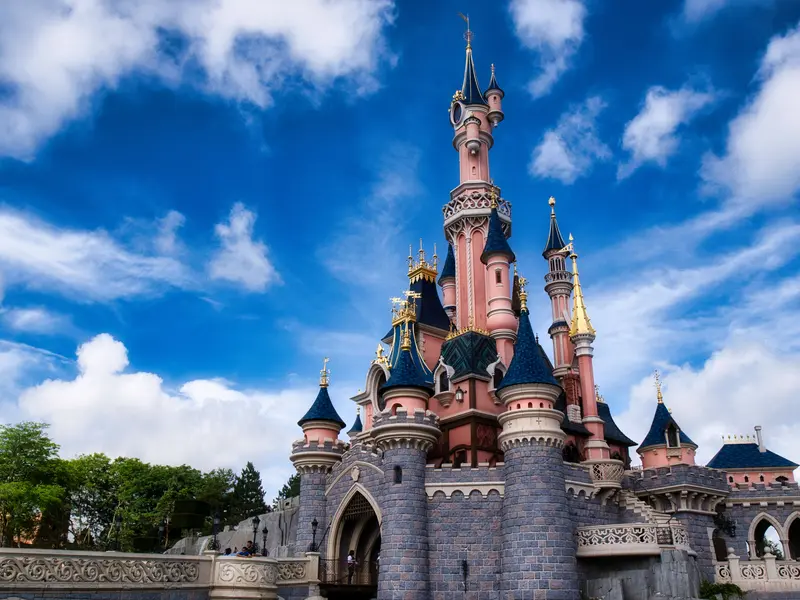
    Sleeping Beauty Castle At Disneyland Park Anaheim California

    The key is to avoid treating the first hour as a competition. Families with younger children often enjoy a morning in Fantasyland, while older visitors might prioritize a more demanding attraction. Keep the park map open so that your next choice is in the same general area. Disneyland’s smaller footprint compared with Walt Disney World does not eliminate the effect of backtracking, especially through crowded central paths.

    Day 1 afternoon: Star Wars and New Orleans atmosphere

    Star Wars: Galaxy’s Edge is an immersive destination within the park, not merely one attraction. Star Wars: Rise of the Resistance and Millennium Falcon: Smugglers Run attract many visitors, but the land also rewards people who simply want to explore the fictional outpost. Schedule enough time to look around and enjoy the environment. If an attraction is unavailable, spend part of the interval elsewhere and check the operator’s updates rather than camping outside a closed entrance.

    New Orleans Square and Adventureland create a different mood. Restaurants, musical atmosphere and the exterior design of the attractions can make this one of the most enjoyable sections for a slower afternoon. Be selective about table-service reservations: a long meal may be a welcome break on a three-day vacation, but it can also conflict with scheduled entertainment. Consider the energy level of the group before committing to a late-night finale.

    Day 1 evening: shows and an early exit option

    An evening at Disneyland Park can be memorable when parades, projections or fireworks are scheduled, but entertainment varies by season and night. Check the official calendar as close to the visit as practical. If a nighttime spectacular matters to you, choose where to watch based on comfort and accessibility rather than assuming the most crowded central viewpoint is essential. Families with small children should keep an exit strategy; some would rather enjoy a quiet final ride than wait late into the evening.

    A three-day ticket removes pressure to stay until everyone is exhausted. If day one is unusually busy or sunny, leaving before closing is entirely reasonable. Your third day can recover the attractions you miss. This is also the time to notice which area delighted the group most, because that information should guide the flexible final day rather than a prescriptive online list.

    Day 2 morning: Cars Land and Disney California Adventure

    Disney California Adventure has a different identity, with spaces inspired by California, Pixar and Marvel. Cars Land is often a particularly strong first stop because Radiator Springs is a fully realized setting, not just a backdrop to Radiator Springs Racers. Visitors who know the movies may enjoy simply walking through the street and admiring the details. The area’s appeal changes with lighting, making a return later worthwhile if the family wants photographs.

    Radiator Springs Racers is a frequent priority, but not the only reason to visit. Decide whether your group prefers the high-demand headline or the gentler experiences in the surrounding lands. If the first ride you want is temporarily down, move to another nearby activity. Avoid spending the entire morning refreshing a wait display when the second park has enough variety to justify a wider route.

    Day 2 afternoon: Pixar and superheroes

    Pixar Pier offers playful seaside imagery and attractions with a wide range of intensity. Incredicoaster suits visitors comfortable with bigger thrills, whereas other experiences may work better for mixed-age families. Avengers Campus adds character interactions and superhero-themed attractions, including WEB SLINGERS: A Spider-Man Adventure. Remember that familiar characters do not eliminate motion, lighting and sensory effects. Confirm each attraction’s current warnings and eligibility before joining the queue.

    Allow an afternoon rest inside the park. California Adventure’s broad open spaces can feel warm even when coastal Southern California weather is mild. A sit-down meal or shaded break provides a useful contrast to repeated rides. If a scheduled show appeals to the whole group, build the afternoon around its actual performance time rather than relying on old recommendations. For visitors who want character encounters, check the latest appearance information without assuming specific characters are guaranteed.

    Day 2 after dark: decide whether to return to Cars Land

    Cars Land at dusk is often a rewarding visual change from the daytime visit. That can be a better reason to revisit than pursuing one more ride purely for a higher count. Depending on the current entertainment calendar, other evening performances may be worth considering. Review exact start times, viewing arrangements and whether special-ticket events affect regular operating hours. Do not purchase a park-hopper upgrade solely on the assumption that one evening show will always run.

    Before leaving, note what remained unfinished. Some visitors will want more time on Pixar Pier, while others may have discovered that Avengers Campus is their favorite area. The final day is most effective when it responds to those real preferences. The resort’s close-together entrances make changing focus easier when you hold the appropriate admission, but changing plans still involves walking, screening and potentially crowded entry periods.

    Day 3: build the day around what you missed

    Return to Disneyland Park if the family wants classic dark rides, more Galaxy’s Edge time or another chance to see a scheduled show. Return to Disney California Adventure if the thrill rides and Pixar environments were the clear favorites. Guests with eligible park-hopping tickets may move between parks according to current rules. However, park hopping is valuable only when both parks contain things you realistically intend to experience; it should not become an exhausting loop across the entrance plaza.

    Use the morning for one or two top priorities missed because of queues or technical closures. Then give the afternoon a lighter shape: souvenirs, a character experience if available, a favorite snack or time in a beautifully themed corner. Many of the best memories from a three-day trip come from experiences that do not appear on a highest-thrill ranking. End with the park whose evening atmosphere the group likes most, taking account of operating hours and transport home.

    One hotel or several? Stay within practical reach

    Anaheim has many hotels around the resort, from on-site Disney properties to independent choices within walking distance or a short local transfer. Walking can be especially convenient when children need a midday nap or someone wants to return to the room for medication, fresh clothes or quiet. But measure the walk from the actual hotel entrance to the correct park entry, not merely the property’s address on a general map. Crossing busy streets can add time and effort.

    If combining Disneyland with Hollywood or Los Angeles sightseeing, consider where the other trip days fall. Traffic in the region can vary dramatically. Staying in central Los Angeles and commuting to Anaheim on three consecutive mornings can drain the energy you hoped to use inside the parks. For a trip focused on Disneyland, Anaheim is often the more practical base; a split stay may make sense when the vacation has several distinct destinations.

    Tickets, reservations and queue products

    Check the official Disneyland Resort ticket pages before deciding whether you need a three-day one-park-per-day ticket or a product with hopping privileges. Eligibility and reservation requirements can vary by ticket type and date. For each day, verify both valid admission and any required park reservation. A reservation for one park is not the same thing as an unlimited right to enter any park at any hour. Keep all ticket confirmations accessible without depending entirely on one phone’s battery.

    Plan your visit and check admission

    Check current opening dates, admission rules and ticket options on the official visitor website before travelling.

    Paid queue-management options can save time on some experiences but do not remove every wait or apply automatically to every attraction. Compare their usefulness against your actual favorites, particularly if young children cannot board several major rides. With three days, many visitors can accomplish a satisfying trip by selecting priorities and walking sensibly rather than buying every upgrade available. Treat meal packages and reserved viewing offers as optional choices, not necessities.

    How to organize meals and breaks

    Three days give you the freedom to try different food without planning every minute. Decide whether one signature meal is worth reserving; use counter-service or mobile ordering where available for the rest. Keep children’s meal times broadly familiar, especially during a first Disneyland trip. A long wait for a fashionable snack loses its charm when everyone needs a proper lunch. If anyone has a food allergy, consult Disney’s current procedures and communicate the relevant details directly at the venue.

    Wear comfortable shoes, use sun protection and carry water as permitted. Nights can feel cooler than afternoons, so a light layer may be useful even in warmer months. A small backpack can hold essential items, but check current restrictions before carrying bulky equipment or tripods. Lockers may help with extra clothing and souvenirs if carrying them all day becomes frustrating.

    Who needs three days, and who can manage two?

    Three days are particularly attractive for first-time visitors from overseas, families with younger children, guests planning many character or dining experiences, and visitors who dislike rushing. Two days can still provide a good introduction when each park gets one clear day and travelers accept that some attractions will remain unseen. One day for both parks is possible with the right ticket but requires hard choices; it rarely offers an unhurried introduction to the full resort.

    If you have four days, consider spending an additional day repeating whichever park suited your party best, or use the time for another Anaheim-area attraction. Extra time should improve the pace rather than multiply obligations. Avoid automatically adding a Los Angeles excursion after a long Disney day when everyone would be happier resting near the hotel.

    Frequently asked questions

    Are Disneyland Park and Disney California Adventure next to each other?

    Yes. Their entrances face a shared plaza, although each remains a separate ticketed park with its own admission rules and operating schedule.

    Is three days too much for Disneyland California?

    Not for visitors who enjoy shows, detailed themed lands and repeat rides. Guests focusing on a short attraction list may be satisfied with two days.

    Should I buy Park Hopper?

    It depends on how often you genuinely want to switch parks, plus the price and current restrictions. A one-park-per-day approach is often simpler for families.

    Can I commute from Los Angeles each day?

    You can, but travel time and traffic may be tiring over three consecutive days. Compare an Anaheim hotel with the total cost and effort of repeated transfers.

    More Visit Theme Parks guides

    Official planning resources

  • Tokyo Disneyland vs Tokyo DisneySea: Which Park Should You Choose?

    Tokyo Disneyland vs Tokyo DisneySea: Which Park Should You Choose?

    Tokyo Disney Resort has two extraordinary parks standing close to each other, yet their appeal is different enough that choosing only one deserves thought. Tokyo Disneyland offers a familiar castle-park structure, classic characters and attractions with broad family appeal. Tokyo DisneySea was created around ocean exploration, invented ports and more unusual themed environments. Its Fantasy Springs expansion has made it especially attractive to visitors who love Frozen, Tangled and Peter Pan. One park is not a smaller version of the other.

    Travellers researching Tokyo Disneyland and Tokyo DisneySea face a practical decision, not a contest with a universal winner. Both can reward a full visit, yet their pace, atmosphere, age suitability and transport arrangements can produce very different vacations. The comparisons below focus on what actually changes for visitors.

    The resort is in the Maihama area east of central Tokyo, not in the city districts where most sightseeing happens. A park visit takes a full travel day once you allow time for trains, security, walking and evening entertainment. International visitors should check the ticket conditions directly with Tokyo Disney Resort rather than assume rules used at American Disney parks also apply. Pass systems, opening times and show opportunities change, and the official app is a core planning tool. Budget enough time to learn it before your first queue.

    At a glance: the main differences

    FactorTokyo DisneylandTokyo DisneySea
    Best forClassic Disney stories, children and familiar iconsImmersive ports, unusual rides and Fantasy Springs
    Visit styleCastle park with recognizable Disney landsMaritime-themed park unique to Tokyo
    Plan forOne full dayOne full day
    Extra to checkDated park-specific admissionFantasy Springs access and attraction rules

    Disneyland is usually the easier choice when children imagine a classic Disney castle, character-rich areas and approachable rides. DisneySea often appeals to repeat Disney visitors, adults interested in visual design and people eager to explore Fantasy Springs. That distinction is not an age barrier: young children can enjoy parts of DisneySea and thrill-seeking adults can enjoy Disneyland. What matters is which rides would make a full day feel worthwhile. If you're travelling with a group that wants both Beauty and the Beast and Journey to the Center of the Earth, use two separate days instead of sacrificing the heart of either park.

    Mediterranean Harbor Tokyo DisneySea Waterfront Fountain Show

    What Tokyo Disneyland does especially well

    Tokyo Disneyland has a welcoming sense of tradition, from World Bazaar's covered shopping street to Fantasyland, Adventureland and Tomorrowland. Enchanted Tale of Beauty and the Beast is an important modern draw, while Pooh's Hunny Hunt is celebrated for its ride design. Visitors also look for classics such as Pirates of the Caribbean and colorful family experiences in Toontown. Compared with the maritime park, much of Disneyland feels more immediately recognizable to travellers who have already visited other Disney castle parks. That familiarity can be an advantage for children, but adults interested in unusual environments should still notice Tokyo-specific differences in ride execution, snacks and seasonal entertainment.

    What makes Tokyo DisneySea different

    DisneySea organizes its environments as ports around waterways and a distinctive central volcano. Mysterious Island, Mediterranean Harbor, Arabian Coast and American Waterfront create an experience that feels less like the standard Disney template. Journey to the Center of the Earth is a major reason to visit, while Fantasy Springs introduces Arendelle, a Rapunzel setting and a Peter Pan environment. Some attractions use motion, darkness or dramatic effects that will not suit every guest. Part of DisneySea's appeal is the ability to spend time exploring streets, architecture, waterfront views and detailed interiors even when you're not hurrying to a ride. That scenic value makes the park rewarding for adults who prefer atmosphere to back-to-back thrills.

    Which attractions and experiences should you prioritize?

    Make an honest top-five list for each park. At Disneyland, a visitor drawn primarily to Beauty and the Beast, Pooh, Baymax and familiar Disney scenes has a strong reason to choose the castle park. At DisneySea, Fantasy Springs, Journey to the Center of the Earth, Soaring and the distinct themed ports can easily consume a full day. Do not count attractions without checking closures; refurbishment can remove a headliner from the schedule. Height restrictions and motion warnings matter more than character popularity when travelling with small children. A five-year-old who loves Frozen may be happier with selected DisneySea experiences than a castle visit, but only if the group can manage the park's scale and access requirements.

    Families, teenagers and visitors who do not ride

    Tokyo Disneyland is a dependable starting point for families who want recognizable stories and varied gentle attractions. DisneySea can work extremely well for multigenerational groups when its immersive scenery is valued, but it requires patience with popular ride demand. For very young children, find the closest rest areas, stroller parking and indoor facilities before the day becomes tiring. At either park, create a short list of essential experiences and give every person one personal priority. Character encounters and parade viewing need time, and adults who do not ride should not be treated merely as bag holders. Both parks are best when visitors can enjoy a meal and a slower scenic walk without feeling that every minute not spent in a queue is wasted.

    A realistic one-day plan

    On a one-park Disneyland day, approach the first popular attraction with a plan based on the current official app, then group nearby lands. A midmorning character experience or smaller ride can prevent the first two hours from becoming a single long queue. Reserve time for lunch, check whether a parade requires advance decisions, and keep evening plans flexible around weather. At DisneySea, decide whether Fantasy Springs is your highest priority and check its current access system before entering. Avoid using outdated advice about compulsory standby passes for every experience. Mix one major attraction with a nearby scenic port, keep an indoor option for the hottest hours, and return to your favorite harbor area in the evening if opening hours permit.

    When visiting both makes sense

    With two days, give each park its own full day. This is not only about riding more; it lets you notice architecture, food and entertainment that can disappear during rushed park hopping. A third day can be useful on a Disney-centered vacation, but city travelers may prefer to return to Tokyo sightseeing. Staying near Maihama or in a resort hotel can reduce early-morning transit pressure, especially when children tire easily. Visitors sleeping in Shinjuku, Shibuya or central Tokyo should compare the earliest practical train rather than just the published railway journey time. A Tokyo Disney Resort trip also fits well before or after visiting Japan's other major attractions without attempting to cross the country between parks on the same day.

    Tickets, reservations and spending wisely

    Tokyo Disney Resort sells date- and park-specific products, and its official website explains when sales open. Ticket rules and any additional paid attraction access are not identical to those of Disneyland in California or Florida. Consult the official park-ticket calendar for your travel month, and confirm that everyone in your party has the correct park selected. Popular dates can sell out or later regain availability. Extra costs may include transport, reserved access products, meals, merchandise and hotel accommodation. For families, choosing the less expensive entry ticket but spending the day frustrated by missed priorities is not good value; build the full budget around the experiences that genuinely matter.

    Getting there and staying nearby

    Both parks sit near JR Maihama Station, served by the Keiyo and Musashino lines, with the Disney Resort Line monorail linking resort stops. The station-to-park route varies: Disneyland is reachable by a walk from Maihama, while DisneySea may involve more use of the resort transport. Always allow time for connections in central Tokyo, particularly if your hotel is not on the direct railway corridor. Families with luggage should consider dropping bags at the hotel before park entry. Staying at a resort hotel can be convenient, but calculate the total cost and confirm whether a specific hotel offers any guest benefits at the time of your visit.

    Find your place to stay

    Compare hotels and other accommodation on Booking.com. Check the location, travel time and cancellation conditions before you book.

    Find hotels on Booking.com

    Crowds, weather and the best season

    Tokyo summers can be hot and humid, while winters bring chilly queues even on clear days. The best date combines tolerable weather, realistic crowds and access to the attractions you most want. Spring and autumn are attractive but not automatically quiet, especially around Japanese holidays and school breaks. Entertainment schedules, temporary closures and special merchandise events can reshape crowd flow. It is worth monitoring the park calendar in the week before travel rather than fixing every minute months ahead. Outdoor presentations can change or be cancelled for weather; always retain an alternative indoor attraction and do not promise a child a specific show until the operator confirms it.

    Accessibility, comfort and other practical details

    Tokyo Disney Resort offers detailed attraction guidance, including restrictions for medical conditions, mobility needs and other accessibility considerations. Families using wheelchairs should look for information about transferring to vehicles and accessible routes rather than assume every attraction works the same way. Visitors with sensory sensitivities may find some DisneySea experiences more intense because of darkness, sound and motion, but individual tolerances vary. Food labels and ingredient support should be checked directly at the venue for serious allergies. Carry a small portable charger, water where permitted and clear details of a designated meeting spot; the resort's app and ticket system are far easier to use when everyone's phone has power.

    Final recommendation: how to decide

    Pick Tokyo Disneyland if this is a first Disney park trip with young children or the group chiefly wants the castle, classic stories and familiar characters. Pick Tokyo DisneySea if maritime theming, Fantasy Springs, elaborate settings and distinctive rides are your priority. DisneySea's uniqueness makes it a strong choice for adults who already know other Disney parks, but that does not diminish the quality of Tokyo Disneyland. If both lists contain several must-do attractions, the most sensible answer is two days, not a rushed park-to-park race. Choose your ticket first, learn the current access rules next, and keep one or two flexible hours for discovering an unexpected favorite.

    Before you book: a useful checklist

    • Purchase the correct dated ticket for the correct park.
    • Review Fantasy Springs and priority-access rules in the current resort app.
    • Check refurbishment notices for the top five attractions.
    • Plan the Maihama return journey after any evening entertainment.
    • Confirm suitable ride restrictions and rest areas for children.

    Frequently asked questions

    Which Tokyo Disney park is better for first-time visitors?

    Tokyo Disneyland is the classic starting point, while DisneySea is ideal for travelers drawn to its unique themed ports.

    Can I visit both on one ordinary ticket?

    Do not assume so. Buy the specific ticket product that permits your intended park access.

    Is Fantasy Springs in Disneyland?

    No. Fantasy Springs is located in Tokyo DisneySea.

    Tokyo Disney Resort ticket rules (official operator information; check dates, admissions and ride availability before travel).

    Tokyo DisneySea official park information (official operator information; check dates, admissions and ride availability before travel).

    Continue planning with our in-depth guides: Tokyo Disneyland Guide: Beauty and the Beast, Baymax and One-Day Plan, Tokyo DisneySea Guide: Fantasy Springs, Journey to the Center and One-Day Plan, Universal Studios Japan Guide: Super Nintendo World, Donkey Kong and One-Day Plan.

  • Disneyland Paris vs Parc Astérix: Which Theme Park Should You Visit?

    Disneyland Paris vs Parc Astérix: Which Theme Park Should You Visit?

    Paris has two very different theme-park experiences within reach: Disneyland Paris, east of the city, and Parc Astérix, north of it. Both can anchor a day of a family vacation, but they answer different wishes. Disney offers storybook environments, characters and two distinctive parks. Astérix is famous for energetic roller coasters, irreverent Gallic theming and a more distinctly French atmosphere. Understanding these contrasts is more useful than relying on a single ranking.

    Choosing between Disneyland Paris and Parc Astérix is easier when you start with the kind of day you want, rather than the number of attractions on a park map. The two places appeal to different interests, and the better choice may change with children’s ages, the length of the trip, and how much energy your group has left after travelling.

    The comparison is particularly important for visitors staying in Paris for only three or four nights. Spending an entire day outside the city affects museum plans, transfers and hotel costs. If you have a child who wants to meet a favorite character, or a teenager interested mainly in substantial coasters, the answer can be surprisingly clear. Neither ticket automatically covers transportation from central Paris, and seasonal schedules matter at both destinations.

    At a glance: the main differences

    FactorDisneyland ParisParc Astérix
    Best forDisney stories, themed worlds and family attractionsCoasters, French comic-book humor and big thrills
    Visit styleTwo-park international resortOne main park with themed hotels
    Plan forOne or two daysOne full day
    Extra to checkChoose one- or two-park admissionCheck seasonal operating dates and shuttle options

    Think first about what would make the day successful. Disneyland Paris can feel like a destination in itself, especially when visitors want to experience both Disneyland Park and Disney Adventure World. Since March 2026, the second park includes World of Frozen and Adventure Bay. Parc Astérix places its emphasis on one cohesive outing, with a strong lineup for bigger children and coaster fans. It also has attractions for younger visitors, but there is no equivalent to a Disney character holiday. A group consisting of adults who dislike spinning coasters may prefer Disney's gentler dark rides and theatrical entertainment; thrill-first groups often find Astérix more compelling.

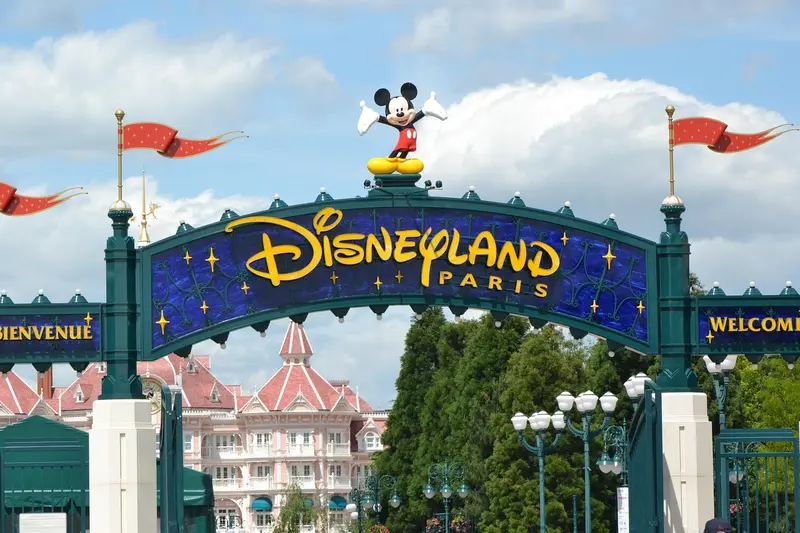
    Disneyland Paris Entrance Gateway With Floral Display

    What Disneyland Paris does especially well

    Disneyland Park is the classic choice for a first Disney visit: Sleeping Beauty Castle, Fantasyland, Pirates of the Caribbean and Big Thunder Mountain offer memorable scenery beyond a simple ride count. Disney Adventure World adds Marvel Avengers Campus, Worlds of Pixar and World of Frozen, making the choice of admission more consequential than it once was. Staying for a nighttime presentation can transform the atmosphere, but visitors should consult the official entertainment calendar rather than assume the same show every evening. The huge advantage here is emotional familiarity. Children often recognize the songs and settings long before entering, while adults may value detailed environments and restaurants as much as major attractions.

    What makes Parc Astérix different

    Parc Astérix's personality comes from the Asterix comic universe, Roman soldiers, Gauls, ancient Greece, Egypt and Viking inspiration. Toutatis is its signature high-energy steel coaster; OzIris, Tonnerre 2 Zeus and other rides broaden the selection. The park's humor and themed settings can be entertaining even without reading the comics, although familiarity adds jokes that Disney visitors may not expect. Attractions such as family coasters, playgrounds and water rides make it more varied than its thrill-ride reputation suggests. A single-day visit is usually a sensible target, provided you choose the priority attractions before arrival and accept that busy dates can mean trade-offs.

    Which attractions and experiences should you prioritize?

    For preschoolers, Disneyland Park's Fantasyland generally makes priorities easier to identify. The appeal is not that every ride is suitable for every child: darkness, noise and restraint rules still matter. The value is in the concentration of recognizable worlds and gentle options. For families with children around primary-school age, both parks can work; select three attractions everyone wants and leave room for a show or quieter play. For coaster-minded teenagers, Astérix deserves serious consideration because its leading rides are a major part of the identity of the park. At Disney, a thrill-focused guest should investigate Big Thunder Mountain, Star Wars Hyperspace Mountain and Avengers attractions while confirming any restrictions and refurbishment notices.

    Families, teenagers and visitors who do not ride

    A group with grandparents, a hesitant rider or a child overwhelmed by intense sensations is not automatically better off at one park; the detailed day plan matters. At Disney, make Fantasyland, scenic boat rides, character encounters and indoor shows the core rather than trying to conquer every coaster. At Astérix, agree that some adults may watch others on Toutatis while exploring gentler Gallic areas nearby. Families travelling with strollers should compare walking distances, transport to the park gate, restrooms and where the group will meet if separated. Noise-sensitive visitors should check each park's official accessibility guidance and show information before committing to an itinerary.

    A realistic one-day plan

    For a Disney-only day, arrive before your selected park opens, confirm ticket validity and begin in the land with your most important timed or popular experience. Put a substantial indoor ride or show into the early afternoon, when everyone appreciates a seated break. If you have admission to both parks, choose which park matters more and recognize the transition uses valuable time. A late meal and a carefully selected evening entertainment plan often work better than repeatedly crossing the resort. At Astérix, arrive as close to opening as travel allows, tackle the highest-priority major coaster before the queues build, then move through adjacent areas rather than crossing the grounds after every ride. Save a calmer attraction and food break for the busiest midday period.

    When visiting both makes sense

    Visiting both is attractive on a longer Paris vacation, but not by trying to squeeze them into a single day. Set aside one full day for Parc Astérix and at least another day for Disneyland Paris; two Disney days make sense if World of Frozen, classic attractions, characters and shows are all important. Families staying outside central Paris can consider different hotel bases, but changing accommodations merely for one park day often costs more energy than it saves. A practical three-day park extension might feature Disneyland Park on day one, Disney Adventure World on day two and Parc Astérix on a separate trip day, with rest or Paris sightseeing between long excursions.

    Tickets, reservations and spending wisely

    Compare the full cost of the same experience, not headline entry prices. At Disneyland Paris, tickets vary by date, park access and possible hotel packages. At Astérix, dated tickets and optional queue-management products have their own conditions; the official site also advertises seasonal evening admission on selected event dates. Check whether your desired day falls within normal opening hours, an event schedule or reduced winter operations. Add return transport, meals, parking if driving, and any priority-access products. A family with younger children might spend less on thrill-ride upgrades while allocating more for character dining or hotel convenience; a coaster group may value an Astérix queue product on its busiest date.

    Getting there and staying nearby

    Disneyland Paris is connected to Paris by RER A via Marne-la-Vallée–Chessy, close to the park entrances. Confirm line disruptions and the return service if staying for evening entertainment. Parc Astérix lies north of Paris near the A1 corridor, without a train station at the gate; official shuttle choices, private transport and driving should be compared for the specific date. Do not assume that a shuttle seen in an older guide still has the same departure point or timetable. Staying at a Disney hotel may simplify a multi-day Disney visit, while an Astérix on-site hotel is more appealing when you want an early start or plan to enjoy the park on successive days.

    Find your place to stay

    Compare hotels and other accommodation on Booking.com. Check the location, travel time and cancellation conditions before you book.

    Find hotels on Booking.com

    Crowds, weather and the best season

    Disneyland Paris generally operates across the year, so weather affects comfort and the balance of outdoor and indoor experiences more than whether a park day is possible. Parc Astérix has a more seasonal calendar, with particular autumn and holiday events. If planning October, look carefully at the Fear in the Park program and any nighttime entry restrictions rather than assuming standard admission works at all hours. Rain and cold can change the enjoyment of major outdoor coasters at either venue, and severe weather can stop rides. School holidays and weekends can change queue times dramatically. Prioritize a date with workable opening hours before choosing a nonrefundable train or hotel booking.

    Accessibility, comfort and other practical details

    Official attraction information is more reliable than an age-only recommendation. Check minimum height, health warnings, transferring requirements and whether dark or loud scenes may be uncomfortable. Visitors needing mobility support should review current accessibility documentation for both parks and ask about ride-specific transfer rules in advance. Food restrictions and allergies deserve their own planning: identify suitable restaurants before midday and carry permitted essentials. Parents can reduce stress by setting a central meeting location, photographing a route map and bringing layers that work in both outdoor queues and heated buildings. Practical preparation rarely looks glamorous, but it is the difference between a smooth day and expensive frustration.

    Final recommendation: how to decide

    Choose Disneyland Paris if your key priorities are Disney storytelling, character encounters, themed environments and an extended resort stay. Choose Parc Astérix if you especially want an energetic coaster day with strong French theming and do not need Disney characters. If the group is split, let the least flexible requirement decide: a child determined to see Frozen is not easily persuaded by another coaster, and a teen travelling specifically for Toutatis may not see a Disney stage show as a substitute. For a longer vacation, both parks make an excellent contrast when they have separate days rather than competing for the same afternoon.

    Before you book: a useful checklist

    • Confirm whether your Disney ticket includes one park or both parks.
    • Check the Parc Astérix seasonal calendar before choosing a date.
    • Plan your exact return route from the resort to your hotel.
    • Check individual attraction restrictions for each child, not just suggested ages.
    • Compare the total family price including transport, food and optional passes.

    Frequently asked questions

    Is Parc Astérix owned by Disney?

    No. They are separate destinations with different characters, tickets and operators.

    Is one day enough for Disneyland Paris?

    One day can cover selected priorities, but both Disney parks at an unhurried pace usually call for more time.

    Can you visit both on the same day?

    It is technically possible to travel between them, but it is rarely a sensible use of a costly park day.

    Disney Adventure World update (official operator information; check dates, admissions and ride availability before travel).

    Parc Astérix attractions and restrictions (official operator information; check dates, admissions and ride availability before travel).

    Continue planning with our in-depth guides: Parc Astérix Guide: Toutatis, OzIris, Tonnerre 2 Zeus and One-Day Plan, Europa-Park Guide: Voltron, Silver Star, WODAN and a Realistic One-Day Plan, Phantasialand Guide: F.L.Y., Taron, Chiapas and One-Day Plan.

  • Universal CityWalk Orlando: Dining, Parking and Free-Entry Guide

    Universal CityWalk Orlando: Dining, Parking and Free-Entry Guide

    The gateway to two of Orlando’s most famous theme parks is also a destination in its own right. Universal CityWalk Orlando is the dining, shopping and entertainment district linking the entrances of Universal Studios Florida and Universal Islands of Adventure. Visitors often pass through it quickly in the morning, but returning after a park day reveals a different atmosphere: restaurants, music, mini-golf, movie-related shopping and evening activity. The district can also be visited without buying a ticket to a Universal theme park.

    That last point is useful, but it needs an important qualification. CityWalk itself has no general admission fee, yet parking may be charged, security screening applies, and restaurants, cinema tickets and activities cost money. Universal’s free-parking-after-6 p.m. policy has notable exceptions, including Halloween Horror Nights event nights and New Year’s Eve. This guide explains how the area works, how to arrive without wasting time, and how to decide whether an evening here is a good alternative to another full park day.

    On this page

    Where CityWalk fits into the Universal Orlando Resort

    CityWalk is the central pedestrian entertainment area for Universal Studios Florida and Islands of Adventure. It is not the same place as Universal Epic Universe, whose main entrance and parking are at a different location. That distinction matters to travelers who see “Universal Orlando” on all four park tickets and assume every gate shares a single parking entrance. The official parking directions identify the shared Universal Boulevard garage for CityWalk, Studios, Islands of Adventure and the Volcano Bay transfer, while Epic Universe uses its own address.

    Think of CityWalk as a transition area with attractions of its own rather than a third theme park beside Studios and Islands of Adventure. It is especially valuable if your travel companions have different appetites for thrill rides. A visitor who wants to skip an extra ticketed park day can still meet the group for dinner, provided everyone has agreed on a time and location. For a family that loves coasters, CityWalk will not replicate the VelociCoaster, Hagrid’s ride or Epic Universe worlds, but it can give the vacation a less structured evening.

    Dining: choosing between a reservation and a casual meal

    Universal CityWalk promotes a wide range of food, from quick-service options to full restaurants and bars. The exact business lineup changes, so use the official dining directory rather than treating a years-old “top 10” list as permanent. First decide whether the meal is the destination or simply a way to refuel. If dinner is an important celebration, choose a particular restaurant and book it if reservations are offered. If you are leaving a park exhausted with young children, a flexible quick meal may be the smarter choice.

    Restaurant hours can differ from the overall district operating period. Park closing times also influence crowd patterns: a dining area that looks quiet in late afternoon may become busy once evening entertainment and park exits overlap. Build in time for getting from a gate to your restaurant, especially when everyone wants to use bathrooms or stop at a merchandise store along the way. Groups with allergies should contact their chosen dining venue directly and review current menus rather than assuming every establishment has identical options.

    Entertainment: mini-golf, cinema and live activity

    CityWalk’s official website highlights Hollywood Drive-In Golf, a 36-hole themed mini-golf offering, along with live music, comedy and other entertainment options. These are examples of separately priced activities, not attractions included in a free CityWalk visit. A short mini-golf game can be an appealing option for families who want something interactive but do not want another day of roller coasters. Check the course’s own hours, reservations or weather policy before planning an entire evening around it.

    The district can also work for adults seeking a music-focused night or for visitors who want a movie in a different setting from the theme parks. Entertainment venues may have age rules, show schedules and bag restrictions that do not match the general public walkways. Choosing one paid activity and leaving the rest of the evening free often works better than stacking several bookings. If you have park tickets for the next morning, remember that a late CityWalk night can make rope drop considerably less appealing.

    Shopping, souvenirs and movie-inspired merchandise

    CityWalk has shops selling Universal-branded products, movie merchandise and themed collectibles. It can be a useful place to browse after leaving the parks, but it is worth comparing locations before assuming a particular item is exclusive to CityWalk. Some popular products sell out or move between stores. If your child has a specific souvenir in mind, ask staff where it is currently stocked. A dedicated shopping stop near the end of the day can be more comfortable than carrying bags throughout the parks.

    Visitors without park tickets can still experience some Universal-themed merchandise and atmosphere here. That makes CityWalk a practical meeting point for mixed groups. However, it is not a substitute for entry to Hogsmeade, Diagon Alley or the detailed lands inside Epic Universe. A storefront inspired by a movie and a fully immersive themed land are different experiences. Set expectations accordingly, especially for first-time visitors who may not understand the boundaries between the resort’s public district and ticketed parks.

    Universal CityWalk parking and the after-6 p.m. rule

    For the main CityWalk garage, the official address is 6000 Universal Boulevard, Orlando, Florida 32819. Drivers pass through the resort’s parking system before walking toward security. General parking charges and prepayment offers can change by date and are separate from the price of dining or entertainment. Never use a parking fee quoted months earlier as a guarantee. If your visit has a fixed showtime, allow enough time to enter the garage, park, walk and clear security before reaching the venue.

    Universal’s official rules state that regular self-parking is generally free after 6 p.m., but not on Halloween Horror Nights event nights and not on December 31; additional restrictions may apply. During autumn, this exception is particularly important because the evening you choose may coincide with a separately ticketed Halloween event. A dining plan that assumes free parking could become significantly more expensive. Check the parking page for the exact date before leaving the hotel, and remember that premium or valet parking follows different rules.

    Security, bags and evening rules for teenagers

    Universal operates security screening for everyone entering CityWalk and the theme parks through the main approach. The operator states that guests pass through metal detection and may have bags scanned or inspected. Leave unnecessary belongings at the hotel or securely in your vehicle. Bringing a large bag merely to walk around for dinner can create needless inconvenience. Be prepared to follow the most current restricted-item rules rather than relying on what another person carried through at a different resort.

    There is also an important evening policy for younger guests. Universal’s current conditions state that visitors under 18 without park admission or a separately ticketed qualifying activity generally must leave CityWalk by 8 p.m. unless accompanied by an eligible parent or guardian, staying at a Universal hotel or meeting specified exceptions, such as certain reservations. Do not send a group of unaccompanied teenagers to CityWalk at night without checking this rule. This is a policy question, not a general judgment about teenagers; the details of age verification and exceptions matter.

    Getting to CityWalk from a Universal hotel

    Several Universal Orlando hotels provide access by shuttle, water taxi or walking paths, depending on the property. Do not assume every hotel has every transport method. Some have convenient pedestrian links; others are best reached by scheduled shuttles. Check the current hotel’s transport section before deciding that an evening dinner is an easy fifteen-minute walk. Families with mobility needs should also verify the most accessible entrance and the actual walking distance from arrival to the restaurant or activity.

    If staying off-site, rideshare and driving are both possible, but designated pickup points should be part of the plan. The return after a concert or park closing may take longer than the arrival. When comparing CityWalk with Disney Springs, the parking difference is important: Disney Springs typically advertises complimentary standard self-parking at all times, while Universal’s main garage has date- and time-dependent charges. Neither district requires a theme-park ticket to walk around, but the real cost of a night out depends on how you travel and what you do.

    A useful CityWalk evening plan

    Visitor planSuggested focusImportant caution
    After a Studios or Islands dayDinner and a short browseCrowds after park closing
    No theme-park ticketShopping, dining, optional mini-golfPaid parking may apply
    Family with childrenEarly meal, one activityWatch fatigue and late transport
    Teen groupCheck supervision and access rulesUnder-18 evening restrictions
    Halloween seasonConfirm event date and parkingFree-after-6 rule has exceptions

    For a family arriving just for CityWalk, two to three hours is enough for a meal, shops and a relaxed walk; add more time for a movie or mini-golf. A park-goer can make a shorter stop on the way out. Avoid buying a fixed evening ticket if your theme-park plan already depends on unpredictable ride queues. Equally, avoid assuming CityWalk will remain quiet until midnight simply because it is open later than a particular park.

    CityWalk or Disney Springs: which should you visit?

    Disney Springs has a larger shopping-and-waterfront identity and free standard parking, while CityWalk is tightly linked to Universal’s Studios and Islands entrances and has its own cinema, dining and nightlife atmosphere. If you are staying at a Universal hotel or already spending a day in the adjacent parks, CityWalk is the natural low-effort addition. If the purpose is extensive shopping and a long waterfront restaurant stroll, Disney Springs may be a better fit. You do not have to “complete” both districts to say you have experienced Orlando.

    Both areas work best as support to a theme-park itinerary rather than as replacements for the great rides. Check specific hours and transport before finalizing the evening. With realistic expectations, CityWalk can make a surprisingly satisfying lower-pressure chapter in a high-energy Universal vacation.

    Frequently asked questions

    Is Universal CityWalk Orlando free to enter?

    There is no general admission charge, but parking, food, shopping and separately ticketed entertainment may cost money.

    Is parking free after 6 p.m.?

    Usually for regular self-parking, but not on certain event nights, including Halloween Horror Nights dates, or on December 31. Check the official current policy.

    Does CityWalk connect directly to Epic Universe?

    No. Epic Universe uses a different entrance and parking area from the CityWalk garage and the two adjacent Universal parks.

    Can teenagers visit alone in the evening?

    Restrictions apply to under-18 visitors after 8 p.m., with specified exceptions. Read Universal’s conditions of entry before visiting.

    Is CityWalk worth visiting without a park ticket?

    Yes, if dining, shopping or a paid entertainment activity interests you. Do not expect major rides or park-themed lands without admission.

    Plan your visit and check admission

    Check current opening dates, admission rules and ticket options on the official visitor website before travelling.

    Official visitor information

  • How to Choose an Ethical Zoo or Aquarium: Animal Welfare, Conservation and Visitor Questions

    How to Choose an Ethical Zoo or Aquarium: Animal Welfare, Conservation and Visitor Questions

    At a glance: Look beyond attractive exhibits: assess independent standards, species-appropriate habitats, conservation projects, welfare safeguards and the ethics of paid animal encounters.

    A zoo or aquarium can inspire curiosity about wildlife, give families access to educational experiences and contribute to species conservation. It can also raise difficult questions about captivity, animal welfare, breeding, public encounters and the relationship between entertainment and conservation. Visitors should not have to accept either extreme claim that every institution is beneficial or that every institution operates in the same way. A more useful approach is to evaluate the particular facility, its practices and the evidence it makes available.

    This guide explains what to look for before buying tickets, how reputable accreditation systems work and which visitor experiences deserve extra scrutiny. It applies to traditional zoos, wildlife parks, marine aquariums, safari parks and mixed attractions. The goal is not to produce an unverified ranking of ethical institutions; it is to help you ask better questions and reward operators that can demonstrate serious animal-care and conservation work.

    The five questions to ask before buying tickets

    Question What useful evidence looks like
    Who evaluates animal care? Current accreditation from a relevant, independent professional body
    What are the animals’ living conditions? Clear information about habitat design, choice, retreat areas and enrichment
    What conservation work is supported? Specific projects, partners, activities and transparent reporting
    What happens during public encounters? Animal choice, welfare safeguards, trained staff and clear restrictions
    Is the education credible? Accurate species information and honest discussion of threats and conservation needs

    No single positive answer proves an institution is exemplary. A respected accreditation is meaningful evidence, but visitors should still look at current practice, public reporting and the welfare implications of the activities being sold. Conversely, the absence of membership in one particular national association does not automatically establish that a foreign institution is unethical; standards and governing bodies vary across regions.

    Visitors Watching Sea Life In Giant Aquarium Tunnel

    What accreditation actually tells you

    Professional accreditation is more substantial than a marketing badge when the scheme involves independent assessment, documented standards and recurring reviews. The Association of Zoos and Aquariums (AZA), for example, describes a detailed process covering animal welfare, veterinary care, conservation, education, safety and institutional operations. Its accreditation involves applications and on-site inspection by experienced professionals.

    In Europe and other regions, different professional organisations and national systems may be relevant. The World Association of Zoos and Aquariums (WAZA) publishes international animal-welfare strategies and represents a global professional network, but WAZA membership should not be treated as an identical certification to AZA accreditation. Before drawing conclusions, establish what the organisation actually evaluates and whether an individual facility’s status is current.

    Look for the facility by name in the accreditor’s official directory, not just a logo on the attraction’s website. Consider whether accreditation has conditions, dates or a specific location scope. A large corporate group may operate several facilities with different recognition. A positive status is a useful starting point for research, not permission to stop asking questions.

    Welfare means more than attractive enclosures

    Landscaped habitats can look impressive to human visitors without meeting every welfare need. Consider whether the design allows animals to withdraw from view, use appropriate social groupings, choose different environmental conditions and engage in species-relevant behaviour. An excellent exhibit is not necessarily the one that provides an unobstructed photograph at every moment. If an animal can choose to remain out of sight, that may reflect an important aspect of its welfare.

    Enrichment can include varied feeding methods, complex habitats, training for voluntary veterinary procedures and opportunities for exploration. The details differ greatly by species. A penguin, giraffe, octopus and big cat cannot be assessed by the same simplistic checklist. Look for communication that explains animal care in specific terms rather than claims that every resident is ‘happy’ because its enclosure is colourful.

    Good welfare also requires ongoing monitoring, suitable nutrition, veterinary services, knowledgeable keepers and a willingness to change practices. Some of the most important work happens away from public view. Visitor-facing exhibits are evidence to consider, but reliable assessment depends on deeper management systems than a tourist can judge in one afternoon.

    Conservation: distinguish a programme from a slogan

    A zoo that claims to ‘save wildlife’ should be able to explain what it does, how and with whom. Credible examples can include contributions to managed breeding programmes, scientific research, habitat restoration, support for field conservation partners, public education and rehabilitation where appropriate. No one intervention is suitable for every species, and a breeding programme does not necessarily imply that individual animals will be released into the wild.

    Ask whether the institution identifies specific conservation partners and publishes accessible updates or reports. A general statement that a portion of ticket sales helps nature is weaker than a description of projects, methods and outcomes. Conservation work can be complicated and slow; serious organisations may acknowledge setbacks and uncertainty rather than presenting every project as an instant success.

    Visiting an aquarium can support research and education as well as public entertainment, but these missions require scrutiny. Look for explanations of sustainable collection policies, veterinary practice, species protection and marine habitat research. Aquarium size or the presence of a famous animal is not, on its own, proof of stronger conservation value.

    Animal encounters and performances deserve special attention

    Not all visitor interactions are equal. A supervised educational talk viewed from a respectful distance poses different welfare questions from a paid opportunity to hold, ride or pose closely with an animal. Ask whether animals have the ability to withdraw, whether interactions are limited and monitored, and whether the experience encourages natural or trained cooperative behaviours rather than coercive ones.

    Particular caution is justified around attractions advertising constant hands-on access to wild animals, forced photo opportunities or close contact with dangerous species. Consider the impact of repeated sessions on the animal as well as public health and safety. Avoid buying an encounter simply because it provides the most dramatic image. A memorable wildlife observation can be meaningful even without physical contact.

    Marine-animal presentations are especially debated. Different visitors and experts may disagree about particular practices or the appropriateness of keeping certain species under human care. Evaluate the individual facility’s animal-welfare standards, educational purpose, breeding policy, transparency and independent oversight rather than assuming that the label ‘show’ or ‘encounter’ settles every question.

    Safari parks and drive-through experiences

    Drive-through safari parks can offer expansive viewing environments, but acreage alone is not an adequate indicator of care. Research the species involved, traffic controls, animal management and restrictions on feeding or opening windows. Follow the park’s rules strictly; they protect both visitors and animals. An animal approaching a vehicle does not mean touching or feeding it is appropriate.

    Some safari parks provide guided transport that may be more suitable than driving your own car, particularly for visitors unfamiliar with wildlife behaviour or restrictions. Ask how tours are organised, how keepers monitor the animals and whether vehicles can cause stress. If the operator encourages reckless close approaches or unregulated feeding, consider a different destination.

    Walking wildlife parks also require respectful behaviour. Keep to designated paths, supervise children, do not tap on glass or barriers and never use flash photography when prohibited. Respecting the animal’s space is part of an ethical visit, not merely a courtesy to other guests.

    Choosing aquariums responsibly

    Aquariums can be valuable environments for learning about aquatic ecosystems, but it is worth examining the provenance and care of their animals. Research species-specific habitat needs, water-quality management, rescue or rehabilitation work and any information about collection policies. Large tanks can create striking photographs while still leaving unanswered questions about individual animal needs.

    Marine conservation interpretation should go beyond naming species. Strong exhibits help visitors understand overfishing, habitat damage, warming seas, pollution and the role of conservation initiatives. Practical education may include responsible seafood choices, waste reduction and local habitat protection, provided claims are specific and properly supported.

    For wildlife rescue centres, do not assume every animal can be released. Some individuals are non-releasable because of injury or circumstances. A reputable institution should be transparent about that distinction and careful not to present permanent captivity as a rehabilitation success when no release is intended.

    How to research a facility before your trip

    Start with the official website, then identify independent professional bodies, current inspection or accreditation information and recent organisational reporting. Read more than promotional reviews. Visitor comments can provide clues about closed exhibits, staff communication and facilities, but an individual observation rarely establishes the full welfare condition of an animal or institution.

    Look at the educational material available online: species descriptions, conservation projects, husbandry explanations and information about unusual animal encounters. If you find a troubling practice, ask the facility to explain it. A serious operator should be able to provide clear, grounded information, although not every operational detail can be public for security or veterinary reasons.

    Review the practical visitor experience too. Families need accessible paths, appropriate restrooms, shaded rest areas and sensible animal-viewing expectations. An ethically managed facility can still be a poor fit for a particular family’s time, mobility or budget. There is no obligation to visit an attraction simply because it is famous.

    Make the visit educational without making it a lecture

    Children often remember a few species and moments of discovery better than a rushed tour of every enclosure. Before arrival, ask what animal or environment they want to learn about. During the visit, read a short exhibit sign together, observe behaviour quietly and let questions emerge naturally. If an animal is not visible, explain that animals may choose to rest or remain out of sight.

    Keeper talks can be useful if they explain behaviour, habitat needs and conservation accurately. Encourage respectful questions and avoid suggesting that every animal must perform for an audience. A peaceful encounter with a species in a well-designed habitat can be more memorable than a crowded photo opportunity.

    After the trip, connect the experience to something practical: a library book about the species, a responsible local conservation initiative or a family discussion about how ecosystems are protected. Educational value should outlast the ticket scan, but it does not have to involve an elaborate homework assignment.

    What visitors can do to support better standards

    Spend with informed intention. Prioritise institutions that can substantiate their animal-care and conservation claims and reconsider paid interactions that place entertainment ahead of welfare. Respect every rule about feeding, touching, flash photography and barriers. If you notice something concerning, report it to appropriate staff with factual details rather than confronting other visitors or posting an unsupported claim as a certainty.

    Be cautious about sharing sensational wildlife photographs without context. A picture of an animal lying still does not by itself establish illness or mistreatment, just as a playful-looking moment cannot prove welfare is excellent. Credible evidence often requires veterinary, behavioural and husbandry expertise. Support informed scrutiny, and be prepared to change your assessment when reliable new information becomes available.

    A complete global theme-park holiday can include museums, botanical gardens, protected natural areas and responsible wildlife observations outside captivity. If a particular zoo or aquarium does not meet your expectations, there are other meaningful ways to learn about and support nature.

    Frequently asked questions

    Does accreditation prove that every animal is well cared for?

    It is important evidence of assessed standards, but not a guarantee against every problem. Review the accreditor’s criteria, current status and the institution’s own practices.

    Is WAZA membership the same as AZA accreditation?

    No. The organisations have different roles and systems. Check the specific recognition claimed instead of treating all logos as equivalent certifications.

    Are all animal encounters unethical?

    No single label answers that question. Assess the animal’s ability to opt out, welfare safeguards, frequency of interaction, staff competence and the type of contact being offered.

    Can a zoo contribute to conservation without breeding animals?

    Yes. Field conservation, research, habitat projects, education and support for partner organisations can all be relevant, depending on the institution.

    Is a large animal enclosure always better?

    Size matters, but it is not the only consideration. Habitat complexity, welfare monitoring, species needs, social conditions and opportunities for choice are also important.

    Related Visit Theme Parks guides

    Explore these existing park guides: San Diego Zoo Guide: Giant Pandas, Africa Rocks and a Realistic One-Day Plan; Georgia Aquarium Guide: Whale Sharks, Dolphins, Belugas and One-Day Plan; San Diego Zoo Safari Park Guide: Elephant Valley, Africa Tram and One-Day Plan; Oceanogràfic Valencia Guide: Sharks, Belugas, Underwater Tunnel and Visit Tips; Monterey Bay Aquarium Guide: Sea Otters, Kelp Forest, Open Sea and Visit Tips.

    Official sources and further verification

    For current admission, safety rules, park services and policies, consult AZA accreditation standards and assessment; WAZA animal welfare strategy. Operator information takes precedence over general visitor advice.

  • Water Park Safety with Kids: A Parent’s Guide to Slides, Pools and Splash Areas

    Water Park Safety with Kids: A Parent’s Guide to Slides, Pools and Splash Areas

    At a glance: Adults must supervise children closely even when lifeguards are present. Check each slide’s rules, choose appropriate flotation aids, follow swimming-hygiene guidance and leave water during weather closures.

    Water parks can be among the happiest family days of a holiday. They offer everything from shallow splash areas and lazy rivers to wave pools, large raft slides and high-speed body slides. Yet the variety also means a parent needs to make more decisions than simply buying tickets and packing swimsuits. Children with different swimming abilities cannot be supervised in the same way, and a slide that looks gentle from the ground may have important age, height or rider requirements.

    The central rule is straightforward: water safety is an active job for adults, even at parks with lifeguards. The U.S. Centers for Disease Control and Prevention stresses close, constant supervision around water because drowning can happen quickly and silently. A lifeguard is part of the safety system, not a replacement for someone watching your own child. The guidance below combines that principle with practical planning for queues, changing rooms, sun exposure and the most common types of water-park attractions.

    Choose the right water park for your family

    A park advertised as having record-breaking slides may be an excellent destination for teenagers and a poor match for a family whose youngest child is learning to swim. Before buying tickets, open the official attraction list and separate the amenities into toddler areas, shallow family pools, moderate slides, raft rides, wave pools and high-intensity attractions. Look at the height restrictions and any requirements concerning swimming ability, adult accompaniment or flotation equipment.

    Large parks such as Siam Park in Tenerife, Rulantica in Germany, Aquatica Orlando and Disney’s water parks offer very different attractions and visitor layouts. Some have dedicated children’s areas; others have extensive family slides or themed rivers. A large number of total slides means little if the children are too small for most of them. Build the itinerary around the youngest eligible swimmer, then see which higher-intensity rides adults or older children can enjoy in separate supervised groups.

    Tropical Water Park With Palm Trees And Slides

    Also check whether the water park is operating on your dates. Some are seasonal, while others close for refurbishment or reduce services in cooler months. Opening a hotel within a water-park resort does not necessarily mean every slide or pool is available. Verify the operator’s current safety and weather policies.

    The most important water-park safety rules

    Situation Practical response
    Young or weak swimmers near water Keep a designated adult closely and constantly supervising
    Wave pool or deeper water Review swimming ability and any required or recommended life jacket
    Slide entrance Follow posted height, weight, health and riding-position rules
    Lazy river Stay with children, obey permitted flotation-device rules and know exit points
    Storm or lightning warning Leave affected water attractions and follow staff directions immediately
    Child separated from group Use a prearranged meeting point and alert staff promptly
    Illness involving diarrhea Do not enter pools or splash areas; follow public-health guidance

    Water parks operate under local rules, and the manufacturer’s restrictions on a particular slide may be stricter than a general family recommendation. Never lift a child past a height marker, share a raft against instructions or assume a life jacket makes an otherwise prohibited ride suitable.

    Supervision: assign an adult rather than assuming someone is watching

    The most dangerous family misunderstanding is the assumption that another adult is supervising. If two parents are talking and each assumes the other is watching a child, neither may notice a problem quickly enough. Before entering a pool, agree who has active supervision responsibility. The supervising adult should remain attentive rather than reading, filming or using a phone. When responsibility changes, confirm the handover directly.

    This matters in wave pools, crowded splash zones and lazy rivers as much as in deep pools. A child may slip, become disoriented or move beyond a parent’s reach amid splashing and noise. Swimming lessons are valuable, but CDC guidance stresses that they do not replace constant supervision. Families should not equate ‘can swim a short distance’ with ‘can safely manage a large moving-water attraction without close oversight’.

    For larger groups, consider assigning adults to individual children or clearly defined areas. If teenagers are old enough to explore independently under park rules, agree on meeting times, buddy arrangements and how to contact an adult. Do not ask an older child to become the sole water-safety supervisor for a younger sibling unless they meet the responsibilities and legal requirements of a qualified adult—which is rarely the intent of a family day out.

    Life jackets, floats and swimming ability

    A well-fitting, approved life jacket can be an important safety measure for young or weak swimmers, depending on the activity and the operator’s rules. The CDC explains that life jackets can be used for weaker swimmers in pools and should not be confused with inflatable toys or water wings, which are not safety devices. IAAPA’s water-park safety guidance also recommends suitable approved life vests for specified groups of children and weaker swimmers.

    Do not assume a jacket is provided in the child’s exact size or permitted on every slide. Ask whether the park supplies life jackets, what certification is accepted locally, and whether privately owned flotation aids can be used. The operator may require certain equipment or prohibit it on individual attractions. A life jacket cannot compensate for lack of supervision or override a minimum height or riding-position rule.

    Swimming ability is not always obvious. A child who is confident in a quiet hotel pool may be unsettled by a large wave pool, strong current or deep landing area. Test comfort gradually in a suitable environment and remain nearby. Adults should be realistic about their own swimming abilities as well; do not enter an attraction beyond your competence simply because the rest of the group is excited.

    Reading slide restrictions correctly

    Height requirements are only one piece of a slide’s safety instructions. Operators may specify minimum and maximum weight, a permitted number of riders, head-first or feet-first positions, whether to hold handles, and conditions affecting riders with particular health concerns. A two-person raft slide can have loading requirements very different from a solo body slide.

    At the top of the attraction, listen to staff and follow the demonstration. Do not push off before being told, stand up within a slide or try to slow yourself by touching surfaces where prohibited. Keep children from starting until the attendant gives the signal. Rules are designed for the equipment and must take precedence over a friend’s advice or a video of someone riding differently.

    If a visitor has a heart, back, neck or other condition included in the attraction’s warnings, seek appropriate professional advice and follow the operator’s restrictions. High-speed water rides can combine acceleration and an abrupt splashdown; not every health-related precaution is visible from the queue.

    Wave pools and lazy rivers need their own plan

    A wave pool can change from a gentle-looking expanse of water to a moving environment with unpredictable splashing. Check posted depth zones and where the waves begin. For young or weak swimmers, choose areas consistent with their abilities and the park’s life-jacket rules, with a designated adult within suitable reach. Never assume the edge remains safe simply because it is crowded with other families.

    Lazy rivers vary enormously. Some are slow and broad, while others have sections with stronger flows, waterfalls or turbulent effects. Explain the route and exits before entering. Decide whether a child will ride in a permitted tube, wear appropriate flotation equipment or stay with a supervising adult. Follow all tube-capacity rules and do not climb between moving floats if the park prohibits it.

    A practical tip is to identify the easiest exit near your seating area before joining a river. If someone becomes frightened or tired, the group can leave without feeling obliged to complete an entire circuit. Avoid using the river as an unsupervised childcare area while adults queue for larger slides.

    Sun, heat and hydration

    Water can make a hot day feel cooler while sun exposure and dehydration remain real concerns. Apply appropriate sunscreen according to its label and reapply as directed, especially after swimming or towel drying. Use shaded seating, suitable swimwear and hats where permitted. Some attractions prohibit loose items or water shoes; read the operator’s clothing rules before arriving with footwear that cannot be worn on your preferred slides.

    Encourage regular water breaks even when children say they are not thirsty. Very hot days may call for a longer indoor or shaded rest and a shortened visit. Remember that pool decks can become hot or slippery and that walking between attractions may involve considerable distances. Avoid running and help younger children move carefully on wet surfaces.

    If a family member seems unusually weak, dizzy or ill, stop the activity and seek appropriate help. Do not dismiss all symptoms as ordinary fatigue. Weather can also change quickly: when staff close attractions for lightning or another hazard, follow their instructions immediately rather than waiting for the first visible sign of a storm.

    Swimming hygiene and splash-pad health

    Water-park hygiene is a shared responsibility. CDC healthy-swimming advice includes staying out of the water while ill with diarrhea, not swallowing pool water, showering before swimming and taking regular bathroom breaks. Chlorine does not eliminate every germ instantly, so a pool’s treated water is not automatically germ-free. Parents should change diapers in designated bathroom or changing spaces rather than at the poolside.

    Swim diapers can help contain solid waste but are not a substitute for bathroom breaks, cleanliness or excluding a child with diarrhea from the water. Take young children for bathroom checks regularly and wash hands after diaper changes. Teach older children to avoid swallowing water during slides and wave play.

    Local health requirements may differ internationally. Follow the park’s hygiene rules, respect closures and avoid entering water when there is an illness-related reason not to swim. These measures protect other families as well as your own.

    What to pack and where to base yourself

    Bring swimsuits, towels, suitable sun protection, a change of clothes, water where allowed, and any required medical supplies. Check the park’s policy on personal life jackets, swim diapers, floatation aids and outside food. Waterproof phone cases and locker options can be useful, but never let photographing the day take priority over supervision.

    Find your place to stay

    Compare hotels and other accommodation on Booking.com. Check the location, travel time and cancellation conditions before you book.

    Find hotels on Booking.com

    Choose a meeting point that everyone can identify—ideally a clearly marked entrance or guest-services location rather than ‘somewhere near the wave pool’. Show children what lifeguard uniforms look like and explain whom to approach for help. Keep essential contact information with a responsible adult and follow the venue’s wristband or identification rules if provided.

    A cabana can make breaks easier for some families, but paying for one does not create a safe place to leave young children alone. If you do rent a private area, verify what is included and remember that supervision is still required whenever children have access to water.

    A realistic day with different age groups

    Start with the most suitable family area while everyone is fresh. Allow the younger children to enjoy splash features or shallow water with close supervision. If adults or teenagers want higher-intensity slides, rotate responsible adults explicitly so the younger children are never left in a pool without attention. Schedule lunch and a genuine shade break before fatigue builds.

    In the afternoon, repeat the attractions the group enjoyed rather than chasing the tallest slide simply to justify the ticket price. Keep enough time for showering and changing; children who are cold, hungry or overtired often find the end-of-day locker and shower routine difficult. A happy finish is safer and more memorable than a final rushed ride when staff are closing an area.

    Frequently asked questions

    Are children safe in a water park if lifeguards are present?

    Lifeguards are important, but adults still need to supervise children closely and continuously. Never rely on staff to watch an individual child for you.

    Do swimming lessons replace the need for supervision?

    No. Swimming skills reduce risk but do not eliminate it, particularly in waves, currents and unfamiliar pools.

    Can a child wear water wings instead of a life jacket?

    Inflatable aids are not substitutes for approved life jackets. Follow the operator’s rules for appropriately fitted flotation equipment.

    Can I take a toddler into a wave pool?

    Check the park’s specific restrictions and the child’s swimming ability. Use suitable shallow areas and close adult supervision; do not assume all wave pools are appropriate for toddlers.

    What should I do during a thunderstorm?

    Leave the water and follow lifeguard and park staff instructions. Do not try to finish a slide after an attraction is closed for safety.

    Related Visit Theme Parks guides

    Explore these existing park guides: Aquatica Orlando Guide: Reef Plunge, Tassie’s Underwater Twist and One-Day Plan; Universal Volcano Bay Guide: Krakatau Aqua Coaster, Ko'okiri and One-Day Plan; Disney’s Typhoon Lagoon Guide: Crush ’n’ Gusher, Surf Pool and One-Day Plan; Disney’s Blizzard Beach Guide: Summit Plummet, Teamboat Springs and One-Day Plan; Fårup Sommerland Guide: Fønix, Vingesus, Aquapark and One-Day Plan.

    Official sources and further verification

    For current admission, safety rules, park services and policies, consult CDC drowning prevention recommendations; CDC healthy swimming guidance; IAAPA water park safety tips. Operator information takes precedence over general visitor advice.

  • Best USA Theme Park Road Trips: Five Routes Worth Building a Vacation Around

    Best USA Theme Park Road Trips: Five Routes Worth Building a Vacation Around

    At a glance: The most rewarding U.S. park trips group attractions into one region: Southern California, Central Florida, Ohio–Pennsylvania, the Mid-Atlantic or Virginia–Carolinas.

    A theme-park road trip can turn a collection of rides into a memorable journey through different American landscapes. Instead of flying to a single destination and visiting one resort repeatedly, you can mix historic wooden coasters, contemporary record-breakers, destination water parks, smaller family parks and local sightseeing. The challenge is that the United States is enormous. Parks that look close on a national map may still be a full day’s drive apart, and some regional attractions are only open on selected dates.

    The best routes balance two or three major parks with realistic driving and rest days. They also recognise that peak summer often brings the most complete operating calendars alongside the hottest weather and the greatest demand. Below are five geographically sensible itineraries, with suggested durations and decisions for families, thrill seekers and first-time visitors. Driving times are deliberately not treated as guarantees: check current road conditions, traffic and your actual start and end addresses before booking.

    The five routes at a glance

    Route Suggested trip length Principal park stops Best match
    Southern California 5–8 days Disneyland Resort, Knott’s Berry Farm, Universal Studios Hollywood, Six Flags Magic Mountain First-timers wanting variety
    Central Florida 7–10 days Walt Disney World, Universal Orlando, SeaWorld Orlando, Busch Gardens Tampa Bay Resort-focused holiday
    Ohio and western Pennsylvania 5–8 days Cedar Point, Kings Island, Kennywood and selected regional parks Coaster enthusiasts
    Mid-Atlantic coast 5–7 days Hersheypark, Six Flags Great Adventure, Dorney Park Families and thrill fans
    Virginia and the Carolinas 5–8 days Busch Gardens Williamsburg, Kings Dominion, Carowinds Coasters plus historic sightseeing

    These are route frameworks, not tickets or organized tours. A realistic duration depends on how many repeat rides you want, whether you are travelling with children and how much time you need for driving, swimming or museums. Check opening dates individually, especially for regional parks and associated water parks.

    Illustration Of Busy Theme Park Attractions

    Route 1: Southern California’s big four

    Start in Orange County with Disneyland Park and Disney California Adventure. Allocate two days minimum if both gates are priorities; three offers breathing room for repeated favourites. Staying within walking distance of the Anaheim entrances can reduce parking and transfers. Disneyland’s classic attractions, Cars Land and Star Wars experiences provide a very different start from the coaster-heavy days later in the trip.

    Move to Knott’s Berry Farm in Buena Park, close enough to Anaheim to make a useful next stop. The park’s Old West atmosphere and attractions such as GhostRider offer a contrast with Disney’s polished storytelling. Families should investigate height restrictions and the availability of shows, Camp Snoopy experiences and any separately operated water attractions before planning a full day.

    For the Los Angeles portion, add Universal Studios Hollywood and allow a separate day. The Studio Tour and the hillside geography distinguish Hollywood from Universal’s Orlando parks. Super Nintendo World is an additional draw, but ticketed experiences and attraction availability can change. Finally, head toward Six Flags Magic Mountain in Valencia for an intensive coaster day. This is a thrill destination: visitors travelling with younger children should be realistic about how much of the lineup suits their group.

    The route is logical by region, not a promise of short drives. Los Angeles traffic can make a cross-city transfer unexpectedly long, particularly during commuter hours. Consider two hotel bases—Anaheim and the northern Los Angeles area—rather than driving the whole itinerary from one property. If you want a rest day, a beach or cultural stop is more valuable than squeezing in a fifth park while tired.

    Route 2: Central Florida without rushing

    Central Florida’s strength is depth rather than geographic distance. Allocate four park days for Walt Disney World if you want Magic Kingdom, EPCOT, Hollywood Studios and Animal Kingdom, then three for Universal Orlando’s principal theme parks if your budget and interests permit. Epic Universe deserves serious planning as a separate destination. Use other days for recovery, hotel time or one additional operator.

    A strong addition is SeaWorld Orlando, especially for families interested in animal presentations and large coasters. Visitors interested in a different park atmosphere might travel west to Busch Gardens Tampa Bay for its major rides and wildlife areas. This is better treated as a dedicated outing or a separate overnight stay than a casual late-afternoon add-on after a Disney day. Tampa traffic, parking and fatigue need a place in the budget.

    Florida water parks can add variety, but check calendars rather than assuming they all operate every day of the year. Universal announced a planned Volcano Bay maintenance closure from late October 2026 into early 2027; confirm its latest status before including it. SeaWorld’s Aquatica and Disney’s Typhoon Lagoon or Blizzard Beach are separate admission decisions.

    A sensible hotel arrangement might split the trip between a Disney-focused location and a Universal-focused one, reducing repeated transfers. Alternatively, choose one base and budget for driving or rideshares. The worst approach is booking nine consecutive early starts with no space for thunderstorms, illness or exhausted children. A resort trip is still a road trip if it includes a few thoughtful nearby destinations; it does not need endless mileage.

    Route 3: Ohio and western Pennsylvania’s coaster corridor

    For roller-coaster travellers, the Cedar Point area in Sandusky is a compelling anchor. It is worth considering more than one day if riding the major coasters is your principal goal, because weather and maintenance can affect a single-day plan. Check current attraction operations carefully rather than assuming a famous coaster will always be running when you arrive.

    Kings Island, near Cincinnati, adds another concentrated coaster collection and family areas. The distance between the two makes a driving or rest break sensible. The Kennywood area near Pittsburgh offers a different character, with historic amusement-park atmosphere alongside contemporary thrill attractions. This is a journey through distinct park styles, not merely a list of record-breaking ride statistics.

    Build five to eight days depending on your interest in rerides. Two days around Cedar Point, one around Kings Island and one at Kennywood leaves a few days for travel and non-park stops. The region’s amusement-park calendar is strongly seasonal in many cases, so confirm exact weekdays and night operations. A shoulder-season trip can be pleasant, but it may not suit visitors who require every park to be open daily.

    Between parks, look for lakeshore walks, local food and museums rather than scheduling extra driving late at night after a coaster marathon. After an intense park day, a hotel near the next destination may be safer and more enjoyable than a long fatigued drive. Coaster enthusiasts often underestimate how tiring waiting in sun, carrying bags and remaining on their feet can become.

    Route 4: Pennsylvania and New Jersey for mixed groups

    Hersheypark in Pennsylvania works for a wide range of travellers, combining major roller coasters with classic family attractions and a confectionery-themed setting. Do not confuse separate experiences at HERSHEY’S Chocolate World with automatically included park admission; verify tickets and product boundaries. Hershey can make a logical first base with enough time to explore the town rather than racing straight to the next park.

    Continue to Dorney Park in the Allentown area, where coasters and seasonal water attractions can suit a full day. Move on to Six Flags Great Adventure in New Jersey for large thrill rides and additional experiences, subject to the current operating calendar. This route works well for travellers who want more variety than a single mega-resort and are willing to research the day-by-day opening schedules.

    The area can be busy during summer and holiday weekends, particularly around major highways. Choose park dates first, then create the road sequence. A regional park might be closed midweek during part of the year even when a more prominent nearby attraction operates. If the group includes both thrill riders and younger children, investigate each park’s gentle ride zones and whether any water-park gate needs a separate entitlement.

    Plan five to seven days for the main trio, a recovery day and manageable drives. There is no prize for adding extra parks simply because they appear on a map. An enjoyable evening and decent night’s sleep before a full coaster day are worthwhile parts of the trip.

    Route 5: Virginia to the Carolinas

    Begin at Busch Gardens Williamsburg, which pairs European-inspired themed areas with major attractions. The historic Williamsburg area makes this an excellent choice for travellers who want more than amusement parks. Set aside time for local history rather than treating it as a ten-minute roadside stop. Nearby water-park options may be seasonal and require separate planning.

    Continue to Kings Dominion in Virginia and then Carowinds on the North Carolina–South Carolina border. Both can appeal strongly to coaster enthusiasts, while their family rides and entertainment offer different options for non-riders. Confirm each park’s operating schedule and the current lineup before booking flights. Changes in ownership, branding, ride refurbishments and seasonal entertainment mean that an old park guide cannot replace current operator information.

    This is not an ideal route for a single weekend. Build five to eight days if you want several full park visits, history stops and safe driving breaks. Travellers with younger children might choose just two parks and spend longer in Williamsburg. The road trip should fit the people in the car: an itinerary that seems efficient on paper can feel relentless after a day of heat and walking.

    How to budget for a multi-park itinerary

    Calculate expenses in layers. First, list the dates and admission product for each individual park, including whether a water park is separately ticketed. Then estimate hotels and parking near each stop. Add rental-car fees, fuel, tolls, meals, insurance, resort fees and any optional queue products. A multi-park pass may save money only when it includes the exact properties and dates you intend to visit.

    Do not assume that membership or season-pass benefits transfer automatically between all parks owned by the same corporate group. Access tiers, blackout dates, water-park admissions and parking can differ. Read the official terms and calculate the break-even point based on actual planned visits, not hypothetical extra trips.

    For families, the strongest saving may be a smaller itinerary rather than a more elaborate pass. Three excellent parks with a rest day can offer better memories than six parks where everyone is too tired to enjoy the last two. Stay flexible with hotel cancellation terms if seasonal storms or other disruptions could alter your plans.

    Booking timeline and practical safety

    Begin by checking official calendars six to twelve months ahead where published, but revisit them as travel approaches. Reserve accommodation once the park dates look plausible, ideally with flexible terms. Purchase date-sensitive or nonrefundable admission after checking the provider’s conditions. Book flights or a rental car with a realistic view of driving distances, not straight-line map measurements.

    On the road, alternate drivers where possible and avoid long late-night drives immediately after a strenuous park day. Carry water, allow for meal stops and leave a flexible buffer around major-city traffic. Families may need a stroller, car seat or accessible transport; address those needs before selecting a rental vehicle. Park rules for outside food, loose articles and mobility devices vary, so review each operator separately.

    Before every park day, confirm its opening hours, closed attractions, parking arrangements and weather. Download the official park app if it offers current maps and wait times. Save a backup copy of tickets and important confirmations in a place you can access without mobile reception. With these small habits in place, the road trip feels like a holiday rather than a logistical test.

    Frequently asked questions

    What is the best U.S. road trip for roller coasters?

    Ohio and western Pennsylvania offer a particularly strong combination of Cedar Point, Kings Island and Kennywood. Check seasonal calendars and allow multiple travel days.

    Can I combine Disneyland and Universal Studios Hollywood in one day?

    It is possible with separate tickets, but a poor use of time for most visitors. The attractions are in different parts of the metropolitan area and both justify dedicated visits.

    Do I need to book every hotel before leaving?

    For popular holiday periods and destinations with limited nearby accommodation, booking ahead is wise. Flexible cancellation policies can help if the route changes.

    Are regional amusement parks open every weekday?

    Not necessarily. Many have seasonal schedules, particularly outside summer. Check the exact date on each official operating calendar.

    Is a theme-park season pass always cheaper?

    No. Its value depends on eligible parks, admission restrictions, parking benefits and how many times you will actually use it. Compare the full terms against separate tickets.

    Related Visit Theme Parks guides

    Explore these existing park guides: Disneyland Park California Guide: Best Rides, Rope Drop and One-Day Plan; Knott’s Berry Farm Guide: GhostRider, MonteZOOMa, HangTime and One-Day Plan; Universal Studios Hollywood Guide: Fast & Furious, Nintendo World and Studio Tour; Cedar Point Guide: Top Thrill 2, Siren’s Curse, Millennium Force and One-Day Plan; Busch Gardens Tampa Bay Guide: Iron Gwazi, Cheetah Hunt, Animals and One-Day Plan.

    Official sources and further verification

    For current admission, safety rules, park services and policies, consult Disneyland Resort parks and destinations; Universal Orlando park information. Operator information takes precedence over general visitor advice.