
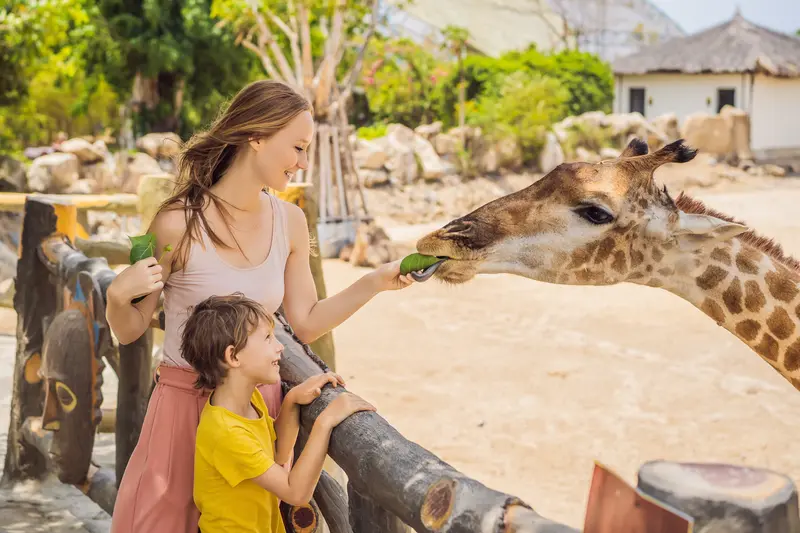
Choosing a zoo for a trip should involve more than comparing the number of animals advertised. A worthwhile wildlife park offers opportunities to observe animals in appropriate environments, understand conservation work and learn without expecting creatures to perform on demand. Facilities vary dramatically in size, climate, mission and standards of care. This guide focuses on noteworthy zoos and safari parks around the world, what makes a visit distinctive and how to evaluate animal welfare claims before you buy a ticket.
Standout zoos and wildlife parks to consider
| Destination | Location | What makes the visit distinctive |
|---|---|---|
| San Diego Zoo | California, USA | Extensive habitat zones, conservation education and major species |
| San Diego Zoo Safari Park | California, USA | Expansive landscapes and safari-oriented experiences |
| Chester Zoo | England, UK | Large grounds, diverse habitats and conservation programs |
| ZooParc de Beauval | France | Major species collections and large habitat complexes |
| Singapore Zoo | Singapore | Tropical environments and walk-through experiences |
| Prague Zoo | Czech Republic | Varied animal habitats across hilly terrain |
| Schönbrunn Zoo | Vienna, Austria | Historic setting with modern exhibits |
| Pairi Daiza | Belgium | Elaborately landscaped worlds and wildlife habitats |
| Taronga Zoo | Sydney, Australia | Australian wildlife and spectacular harbor setting |
| Kolmården Wildlife Park | Sweden | Large forested environment and distinctive transport experiences |
Why animal welfare matters in a zoo ranking
An appealing habitat in photographs is not enough to prove that a facility meets high welfare standards. Look for a transparent commitment to veterinary care, enrichment, species-appropriate social arrangements, conservation outcomes and independent assessment. In North America, the Association of Zoos and Aquariums evaluates accredited institutions through a process that includes inspection and professional standards. Internationally, the World Association of Zoos and Aquariums publishes welfare guidance, while national and regional associations operate their own programs. Accreditation is useful evidence, not a guarantee that every exhibit is perfect or that an individual animal will always be visible.
Be cautious when an attraction’s entire sales pitch is touching, holding or taking photographs with a large wild animal. Research how the encounters are managed, whether animals can withdraw, and whether breeding and conservation claims have independently verifiable substance. Ethical visiting also means respecting barriers, never feeding animals without explicit staff guidance and accepting that an animal may choose to rest out of sight. A zoo visit should not depend on guaranteed close contact.
San Diego: zoo and safari park are separate destinations
San Diego Zoo in Balboa Park is a well-known option for a diverse day of habitat exploration. It combines large animal areas, pathways and conservation information in a city location. San Diego Zoo Safari Park lies much farther north near Escondido and works on a different scale, with open landscapes and optional safari-style experiences. They are not two halves of one park that can easily be covered on foot in a single morning. Each requires its own admission plan and realistic transport time.
Decide whether your group prefers varied species exhibits in a botanical urban setting or the sense of space and safari focus at the larger outlying park. Optional special experiences should be treated as separate purchases until the operator confirms otherwise. Summer heat can change animal activity and visitor comfort, especially on more exposed routes. Arriving earlier and keeping water breaks flexible is usually wiser than rushing to cover every area.
Chester Zoo and other outstanding European collections
Chester Zoo in northwest England has grounds large enough to reward most of a day, with habitats that support a broad educational visit. Conservation projects are part of the institution’s identity, and families can spend as much time exploring the walkways and interpretive exhibits as observing any one species. Public transport to the zoo takes planning from nearby cities; check the final leg and current entry times.
ZooParc de Beauval in the Loire Valley is another destination that can justify overnight accommodation, particularly for visitors who want to explore its large habitat areas without fatigue. Parc Zoologique de Paris is a useful city alternative, organized around five biozones and connected to the wider Paris transport network. Schönbrunn Zoo can fit a Vienna itinerary and pairs well with the surrounding palace grounds, though zoo admission and palace sightseeing are distinct decisions. Prague Zoo is extensive, with significant changes in elevation; a family with a stroller should study the site map before choosing a route.
Pairi Daiza in Belgium makes landscaping and immersive environments central to its appeal. It is not merely a quick stop alongside another Brussels attraction: the grounds and optional accommodation can make a full day or longer appropriate. Blijdorp in Rotterdam, Antwerp Zoo and Zoo Berlin offer different city-based choices. Instead of attempting multiple large zoological parks in a short holiday, visit one thoughtfully and allow children enough time to observe rather than sprint between exhibits.
Asia: Singapore’s tropical wildlife experiences
Singapore Zoo occupies a forested setting within Mandai Wildlife Reserve and is known for a tropical, open-style visitor experience. Walkable habitats and scheduled keeper or educational activities can fill a substantial day. Mandai also operates other attractions such as Night Safari, River Wonders and Bird Paradise; each has its own format and ticket options. A nighttime tram-based visit at Night Safari is not interchangeable with a daytime zoo tour, and attempting several Mandai parks without rest can be exhausting.
The climate is hot and humid, with frequent rain. Plan early animal viewing, indoor or sheltered pauses, and realistic transport back to your hotel. Children may learn more from spending time at a few well-presented habitats than from crossing the entire reserve simply to tick off a list of species. Check the reserve’s official schedule for keeper talks and feeding demonstrations and do not confuse paid special encounters with ordinary admission.
Australia: wildlife in a different setting
Taronga Zoo in Sydney combines wildlife habitats with views across the harbor. Reaching it by ferry can be a memorable part of the day, although the exact transport and entrance arrangements need verifying. Melbourne Zoo offers another accessible urban wildlife option, while Monarto Safari Park in South Australia has an expansive safari-style layout that is not suited to hurried wandering. Adelaide Zoo and Auckland Zoo add conservation and regional-wildlife experiences that may fit better than a distant marquee destination during a multi-city trip.
Australia’s wildlife attractions often provide opportunities to learn about native ecosystems, marsupials and threats to habitat. As with other regions, not all animal interactions are included or appropriate for all visitors. Do not plan a trip assuming that holding a koala or approaching a wild species will be possible. Regulations and welfare policies vary by state, institution and individual species.
Safari parks: understand what kind of visit you are buying
Drive-through parks, guided safari vehicles and large open-range reserves can deliver a different view from traditional walk-through zoos. Longleat in England, Knuthenborg Safaripark in Denmark and various other safari-style parks have particular rules for private vehicles, animal zones and optional transport. At some venues, visitors with unsuitable cars or no car must reserve a tour; at others, self-driving forms only part of the experience. Verify whether bus rides, vehicle entry and pedestrian sections share one ticket.
Follow every instruction about windows, doors, food and speed. Animals close to a car are not an invitation to touch or feed them. Vehicle damage and interaction risks may be addressed in the entry conditions. The safest itinerary is the one that follows the facility’s published rules, including closures prompted by weather or animal care needs.
How to plan a successful zoo day with children
For preschoolers, choose a shorter route with high-interest exhibits, a playground or picnic area and frequent stops. In a large zoo, three or four animal zones may be a perfectly successful day. For school-age children, allow questions and observation: what is the animal doing, which habitat features support it, and what conservation challenge is described on the exhibit? A small notebook or a few photographs can turn the visit into a learning experience without making it feel like homework.
Animal activity is not predictable. Some species are most visible earlier or later; others rest or stay in sheltered spaces. Heat, cold or changes in habitat access can alter what guests see. Keepers may have good advice, but no ethical facility can guarantee a performance by a wild animal. Expect to walk substantial distances, particularly at safari parks and large modern zoos. Bring supportive footwear, water, suitable weather clothing and a plan for mobility needs.
Tickets, transport and choosing your season
City zoos may be easy to reach by bus or train, while safari parks can be difficult without a car. Compare the last-mile transfer as carefully as the entrance price. Check whether special tours or overnight experiences are optional additions; accommodation at a wildlife resort may come with benefits, but never assume the room includes every safari activity. Advance dated tickets can be useful for popular weekends yet less flexible than open admission products.
In hot climates, favor earlier hours and shaded pathways. In cold regions, some outdoor animals may be less visible, though indoor habitats can be more comfortable. Seasonal calendars matter for open-range vehicle services and the amount of daylight. Treat a zoo as an experience that changes with the seasons rather than a collection of exhibits operating identically every day.
Frequently asked questions
What is the best zoo in the world?
There is no objective answer for every visitor. San Diego Zoo, Chester Zoo, Singapore Zoo, Prague Zoo, Pairi Daiza and others are strong choices for different reasons. Welfare standards, travel convenience and the species and habitats you care about should shape your decision.
How can I tell whether a zoo is ethical?
Look for credible accreditation, transparent animal care information, veterinary and enrichment commitments, conservation work and respectful encounter policies. Independent oversight matters more than marketing slogans.
Are safari parks better than traditional zoos?
They offer different viewing conditions and sometimes larger-scale habitats, but welfare and educational value depend on each institution’s practices, not just its size or the word ‘safari.’
How long should I spend at a major zoo?
Many large zoos justify most of a day. Some extensive reserves deserve two days, especially with children. A well-paced half-day can still be better than an exhausted rush through every habitat.
More destination guides
Continue exploring specific parks and attractions: San Diego Zoo Guide: Giant Pandas, Africa Rocks and a Realistic One-Day Plan, Chester Zoo Guide: Heart of Africa, Elephants, Orangutans and One-Day Plan, ZooParc de Beauval Guide: Giant Pandas, Equatorial Dome and Two-Day Plan, Taronga Zoo Sydney Guide: Harbour Views, Australian Wildlife and One-Day Plan.
Official visitor resources
Last updated: October 14, 2026. Check the official park website for date-specific prices, schedules, ride operations and accessibility rules.