
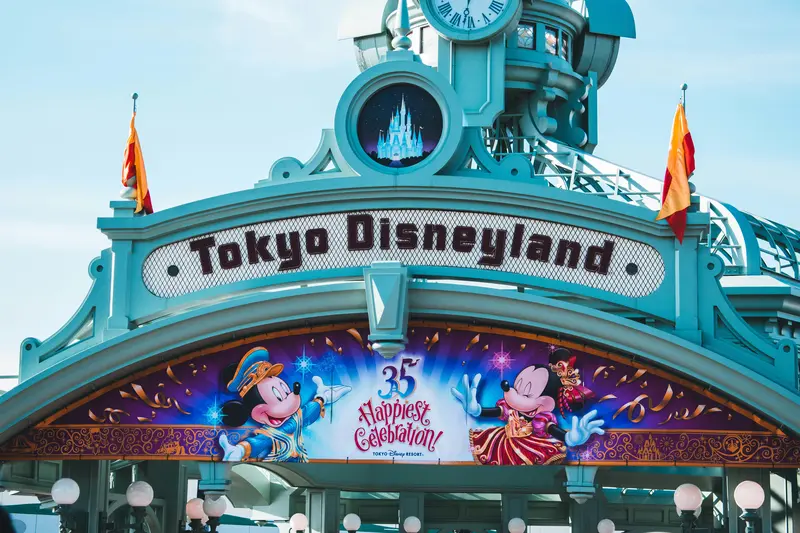
Tokyo Disneyland is one of the essential cornerstone parks for Visit Theme Parks. Tokyo Disneyland feels familiar to visitors who know the American castle parks, but the details, operations, entertainment culture and several headline attractions make it a destination in its own right.
The park has seven themed lands and combines classic Disney attractions with experiences that are especially important in Japan, including Enchanted Tale of Beauty and the Beast, The Happy Ride with Baymax and Pooh’s Hunny Hunt. Demand can be intense, so learning the Tokyo Disney Resort app and access systems before arrival is more useful than memorising a rigid route.
Quick planning summary
| Location | Tokyo Disney Resort, Urayasu, Chiba, Japan |
|---|---|
| Recommended time | 1 full day; 2 days if you want a relaxed pace and repeat headline attractions |
| Best for | Disney fans, families, highly themed dark rides, parades and visitors combining Tokyo Disneyland with DisneySea |
| Key areas | World Bazaar, Adventureland, Westernland, Critter Country, Fantasyland, Toontown and Tomorrowland |
For current attraction availability, temporary closures and date-specific operating information, check the official Tokyo Disneyland site before travel. Theme-park hours, queue products and access rules can change, so the official app and calendar should always override an older touring plan.
The attractions to prioritise
Enchanted Tale of Beauty and the Beast
Enchanted Tale of Beauty and the Beast is a large-scale trackless dark ride and one of the park’s defining modern attractions. It is a strong candidate for Disney Premier Access or an early priority because demand stays high.
The Happy Ride with Baymax
The Happy Ride with Baymax is a music-driven spinning attraction in Tomorrowland. The ride itself is simple, but its atmosphere and popularity make it a Tokyo-specific priority for many visitors.
Pooh’s Hunny Hunt
Pooh’s Hunny Hunt is a trackless family dark ride with clever movement and scene design. It is one of the attractions experienced Disney visitors should prioritise because it differs substantially from Pooh rides elsewhere.
Splash Mountain
Splash Mountain is a major flume attraction that remains part of Tokyo Disneyland’s current lineup. Plan it according to weather and current maintenance schedules.
Monsters, Inc. Ride & Go Seek!
Monsters, Inc. Ride & Go Seek! is an interactive dark ride with broad family appeal. It can build a long queue, so use app data instead of assuming it will be easy later.

Big Thunder Mountain and Haunted Mansion
Big Thunder Mountain and Haunted Mansion is classic attractions presented with Tokyo Disney standards of maintenance and operations. They are excellent secondary priorities after the more distinctive Tokyo-only experiences.
A realistic one-day plan
Opening to late morning
Arrive well before the published opening time and be ready to use the official app as soon as entry procedures allow. Tokyo Disney can begin admitting guests before the posted time in some circumstances. Once inside, secure any paid or timed access that matters, then move directly to a headline attraction rather than pausing in World Bazaar.
The first two hours should be about protecting difficult experiences, not chasing a perfect checklist. Keep the group together, know the height restrictions before joining a queue and avoid spending premium morning time on shopping that can be done later. If an attraction is temporarily unavailable, pivot quickly to the next priority instead of waiting outside for an uncertain reopening.
Midday
Shift to classics, shows and lunch after the most difficult morning priorities. Tokyo Disney dining can become busy at conventional meal times, so early lunch is sensible. Use covered or indoor attractions as weather requires; Tokyo can be hot and humid in summer and cold in winter.
Midday is also the point where many ambitious plans fail because people underestimate walking, heat, meal queues and the mental fatigue of making constant decisions. A 30- to 45-minute reset can produce a better afternoon than forcing everyone through one more low-priority queue.
Afternoon
Fantasyland and Toontown deserve more than a quick pass, particularly with children. If you obtained timed access for a major ride, organise the rest of the route around that return window without crossing the park repeatedly. Parade routes can temporarily change pedestrian flow, so build extra movement time into the plan.
Keep checking live waits, but do not let the phone dictate every movement. A wait that is ten minutes shorter on the opposite side of the park may cost more time in walking than it saves. Cluster nearby attractions and accept that some rides will be better left for another visit.
Evening
Stay for the evening if possible. The castle park takes on a different character after dark, and nighttime entertainment is a major part of the Tokyo Disney experience when scheduled. Recheck the app for final waits and temporary closures before deciding which attraction gets the last ride of the day.
Before the final hour, confirm closing time, last-entry rules for attractions and the entertainment schedule. If the park is the main purpose of your trip, staying until close usually gives you better atmosphere and one last opportunity to repeat a favourite without adding another travel day.
Tickets, reservations and paid queue options
Tokyo Disney Resort uses date-specific ticketing and the app plays an important role in attraction access, Disney Premier Access and current operational information. Buy tickets before travel where possible and make sure every member of the party can be managed within the same app setup or group arrangement.
Plan your park tickets
Ticket options, entry rules and availability can change by visit date. Check what is included before paying.
Do not buy the most expensive ticket automatically. First decide how many parks you actually want to visit, whether hopping is realistic for your group and whether a paid queue product will save time on attractions you care about. For a first visit, simplicity often produces more value than stacking multiple upgrades that force the day into a rigid schedule.
Food, water and breaks
Food is part of the appeal, from themed snacks to full meals, but popular locations can develop substantial queues. Decide in advance whether themed dining is a priority. If rides matter more, eat outside the main rush and use the app for current ordering or reservation options where available.
Carry water and treat hydration as part of the touring strategy, especially in warm weather. Children often become irritable from heat and hunger long before adults recognise the problem. A snack, shaded bench or indoor show can prevent the next hour from being lost to fatigue.
Getting there
Tokyo Disney Resort is in Urayasu, east of central Tokyo. Maihama Station is the key rail gateway, and the Disney Resort Line monorail connects the resort area. Build commute time into the morning; a hotel in central Tokyo can still work well, but leaving early matters.
Check the final transport step, not just the journey to the resort. Parking garages, security, monorails, boats, resort trains and walking routes can add 20–45 minutes between arrival on property and entry through the park gate. For rope drop, calculate backwards from the turnstile rather than from the car park.
Where to stay
Resort hotels offer the easiest early-morning logistics, while hotels around Maihama and Shin-Urayasu can provide good value. Central Tokyo hotels make sense if Disney is only one part of a broader city trip. Choose based on the number of park days rather than brand preference alone.
Find your place to stay
Compare hotels and other accommodation on Booking.com. Check the location, travel time and cancellation conditions before you book.
For a one-day visit, the best hotel is often the one that makes the morning easiest. For a longer holiday, room size, breakfast, parking, pool time and access to other destinations become equally important. Compare total trip convenience rather than assuming an official hotel is always best or always overpriced.
Best time to visit
Japan’s seasons are pronounced. Summer heat and humidity can be severe, rainy periods require waterproof planning, and winter evenings can be cold. Major Japanese holidays and school breaks can create heavy demand. Always check the operating calendar and attraction closure list before locking the itinerary.
Crowd calendars are useful only as a rough guide. Weather, local holidays, school calendars, special events and attraction refurbishments can change the experience more than a historic crowd score. Choose a date that works for your wider trip, then build a resilient plan rather than searching for a mythical empty day.
Visiting with children
Tokyo Disneyland is exceptionally strong for families because many signature experiences are gentle enough for young children. The challenge is queue tolerance, not only height restrictions. A stroller, planned snacks and strategic indoor breaks can matter as much as paid queue access.
Measure children before travel when major rides have published height minimums. Doing this at home prevents disappointment at the loading area. Also remember that being tall enough does not mean a child will enjoy darkness, loud effects, launches or drops. Let the child’s temperament matter as much as the centimetres on the sign.
Accessibility and motion sensitivity
The official attraction list includes filters for height, wheelchair use, assistance dogs, dark areas and other restrictions. Use those filters before travel if anyone has specific mobility or sensory needs. Procedures can differ from Disney parks in other countries, so do not assume policies transfer directly.
Guests with motion sensitivity should read attraction descriptions carefully. Screen-based rides, spinning, backwards movement and enclosed simulators can be more difficult than a conventional outdoor coaster. Accessibility policies can change, so use official information for mobility devices, assistance services and boarding requirements.
How many days do you need?
For most first-time visitors, 1 full day; 2 days if you want a relaxed pace and repeat headline attractions is the right starting point. A second day becomes worthwhile when your group wants repeat rides, long character interactions, table-service dining or a slower pace. Visitors combining several parks should protect enough time here to experience the park’s identity rather than treating it only as a list of famous attractions.
Common mistakes to avoid
- Arriving at the published opening time. Security, transport and entry procedures mean this can already put you behind the first wave.
- Ignoring height restrictions until the queue entrance. Measure children before the trip and build alternatives for anyone who cannot ride.
- Crossing the park repeatedly for small wait-time differences. Route efficiency usually saves more energy than constant app chasing.
- Skipping a proper break. Heat, hunger and tired children can cost more time than a planned meal or indoor show.
- Assuming every day has the same entertainment and hours. Check the official calendar again shortly before travel.
Who should prioritise this park?
Tokyo Disneyland is worth visiting even for people who have already seen Magic Kingdom or Disneyland in California. Prioritise the attractions that are most distinctive in Tokyo rather than spending the entire day replicating a familiar American ride list.
For Visit Theme Parks readers building a wider itinerary, this is the kind of park that should be planned before secondary attractions in the same destination. Secure the park date, hotel location and transport first; smaller attractions can then be fitted around it without risking the main reason for the trip.
Final planning advice
Choose a small number of non-negotiable experiences, arrive early, keep the route geographically sensible and leave room for the park to surprise you. The best first visit is rarely the one with the highest ride count. It is the one where the headline attractions are protected without turning every meal, photo and family decision into a race against the clock.
Leave a Reply